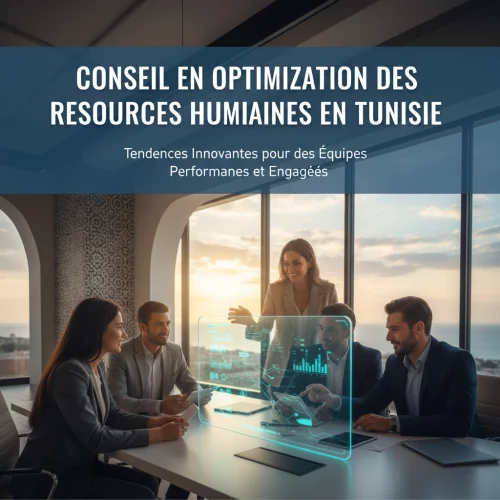
Human resources (HR) are at the heart of every successful business. However, in an increasingly competitive and complex environment, optimizing human resources management is no longer an option—it is a necessity.
We will explore in detail how optimizing human resources can transform your organization, improve efficiency, and drive your company’s overall success.
Key Takeaways
HR Optimization: A Strategic Approach 🎯
Human resources optimization is a strategic approach aimed at maximizing the potential of teams within a company.
It’s not just about efficiency; it’s about unlocking teams’ full potential so they can stand out in a competitive environment.
A well-optimized HR program helps reduce turnover-related costs,improve job satisfaction, and strengthen employee engagement, thereby creating an agile company.
Key Strategies for Effective HR Management 📊
Strategic Alignment: Align HR objectives (recruitment, development, retention) with the company’s overall strategy.
Performance Management: Regular follow-ups to identify weaknesses, recognize achievements, and foster individual growth.
Transparent Communication: Ensure a clear mutual understanding between managers and employees to strengthen trust and collaboration.
The Crucial Role of Technology in HR 💻
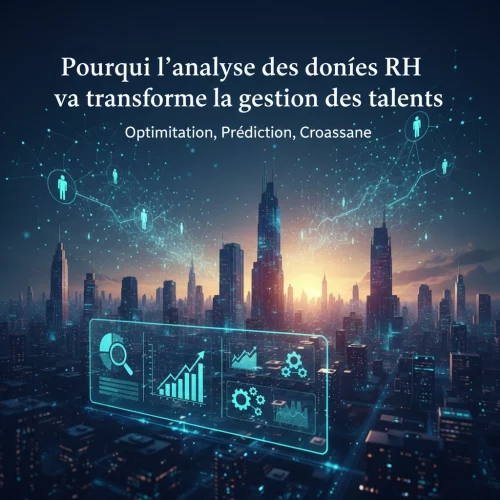
Automating repetitive tasks andanalyzing data enable informed decision-making and improve productivity.
Key technology solutions include recruitment software, performance evaluation tools, and HR Self-Service Systems (HRSS).
Specific tools such as SAP SuccessFactors, BambooHR, and Workday are examples of effective solutions.
Benefits and Challenges of HR Optimization ✅❌
Proven benefits:
Increased employee satisfaction (e.g., +25% for a multinational company through sentiment analysis).
Reduced recruitment time (e.g., a 40% reduction for an SME thanks to specialized software).
Common challenges: Resistance to change, lack of in-house expertise, limited resources.
How to overcome them: Clear communication, tailored training, and prioritizing initiatives.
Future Trends in HR Optimization 🔮
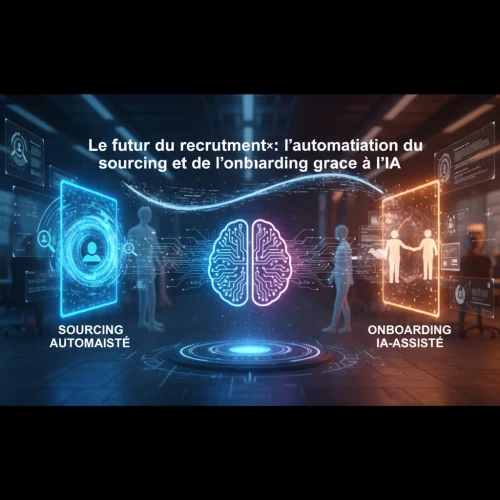
Artificial Intelligence (AI): For greater automation and more in-depth analytics.
Agile HR: For greater flexibility and rapid adaptation to changing needs.
Personalized Employee Experience: To retain talent and strengthen engagement.
In short, HR optimization is a business philosophy that places employees at the center of the strategy to turn them into a competitive advantage.
Why Human Resources Optimization Is Crucial for Businesses
A solution to improve overall performance
HR optimization involves maximizing your employees’ effectiveness by aligning their skills and talents with your company’s strategic needs. As Sarah Jones, an HR consultant, points out:
“Optimizing human resources isn’t just about increasing efficiency; it’s also about unlocking the full potential of your teams—a true differentiator in today’s competitive environment.”
Cost Reduction and Talent Retention
A well-optimized HR program reduces costs associated with employee turnover, improves job satisfaction, and strengthens employee engagement. By making the right adjustments, you can create an agile company capable of adapting to market challenges.
Key Strategies for Effective Human Resources Management
Alignment with the company’s strategy
Emma Patel, HR Manager, explains:
“Successful HR optimization relies on a strategic approach that aligns HR objectives with those of the company. This includes prioritizing the recruitment, development, and retention of talent.”
- Workforce Planning: Preventing Labor Shortages or Surpluses.
- Talent Management: Identifying high-potential employees for key roles.
- Continuing Education: Equipping employees with the tools they need to advance within the company.
Performance Management
Implementing a system for regularly monitoring performance not only helps identify weaknesses but also rewards successes, thereby fostering an environment of continuous growth.
Transparent Communication
Ongoing communication between managers and employees ensures that the expectations and needs of both parties are clearly understood, thereby preventing misunderstandings that could hinder productivity.

If you have a project and need advice or guidance, we're here for you!

The Role of Technology in HR Optimization
Automation and Data Analysis
Michael Lee, Director of HR Technology, says:
“Technology plays a crucial role in optimizing HR by automating repetitive tasks, enabling data-driven decisions, and improving employee productivity and engagement.”
Here are a few examples of technological solutions:
- Recruitment software: To simplify the screening of applications and identify the best candidates.
- Performance evaluation tools: To provide constructive feedback and track progress.
- HR Self-Service Systems (SSHR): Give employees the freedom to manage their personal information quickly.
Essential Tools
- SAP SuccessFactors: A comprehensive tool for strategic workforce planning.
- BambooHR: Ideal for small and medium-sized businesses.
- Workday: Known for its advanced analytics capabilities.

Case Studies of Successful HR Optimization
Case Study 1: A Multinational Company Improves Employee Engagement
A company in the technology sector used a sentiment analysis tool to monitor employee engagement. The result? A 25% increase in job satisfaction in one year.
Study 2: Streamlining the Recruitment Process
By implementing specialized software, an SME reduced its recruitment time by 40 percent, allowing it to focus more on developing the skills of new employees.
As Alex Smith points out:
“Case studies on HR process optimization provide concrete examples of best practices and the tangible benefits of adopting these strategies.”
Challenges to Overcome in HR Optimization
HR optimization isn’t without its obstacles. Here are some common challenges and how to overcome them:
- Resistance to Change: Communicate the benefits to all stakeholders.
- Lack of in-house expertise: Invest in training on HR technology tools.
- Limited resources: Prioritize initiatives that will have the greatest impact on your results.
Future Trends in HR Optimization
- Artificial Intelligence (AI): Even more advanced automation, ranging from sorting resumes to predicting workforce needs.
- Agile HR: A more flexible approach with versatile teams ready to pivot quickly in response to market changes.
- Personalized Employee Experience: Offer a tailored experience, similar to that of consumers, to build loyalty among your talent.
Building a Solid HR Optimization Strategy
Optimizing your human resources isn’t just a matter of processes or technology; it’s a business philosophy that puts your employees at the center of your strategy. Are you ready to transform your HR management into a competitive advantage?
If you’d like to learn more or receive personalized guidance on how to get the most out of your human resources, contact us today to schedule a consultation with our experts.