



In 2025, product lifecycle management in Tunisia will become a major strategic issue for companies seeking to stand out in an increasingly competitive market. Faced with accelerating innovation cycles and the rising expectations of Tunisian consumers, mastering every stage of the product lifecycle—from design to end of life—will provide a decisive competitive advantage.
Tunisian companies—whether in retail, tech, agri-food, or manufacturing—are now discovering the benefits of an innovative product strategy that incorporates artificial intelligence, data analytics, and eco-design. This digital transformation of the product lifecycle goes beyond mere cost optimization: it is literally revolutionizing the way brands design, launch, and sustain their offerings.
The Data-Driven Revolution in the Product Lifecycle
Artificial Intelligence for Product Innovation
AI is radically transforming the traditional approach to product development. In Tunisia, the most innovative companies are now using predictive algorithms to anticipate consumer trends and identify market opportunities before their competitors do.

Artificial intelligence tools enable real-time analysis of Tunisian consumers’ behavior, purchasing preferences, and interactions on digital platforms. This data-driven approach offers unmatched precision during the design phase, significantly reducing the risk of commercial failure.
Intelligent Process Automation
Workflow automation is revolutionizing the operational management of the product lifecycle. From the prototyping phase through to market launch, Tunisian companies can now automate repetitive processes and focus on high-value-added tasks.
This intelligent automation reduces development time by an average of 40 percent, a crucial advantage in the Tunisian market, where speed to market often determines commercial success.
Eco-design: A Key Differentiator
Toward a Circular Approach to the Product
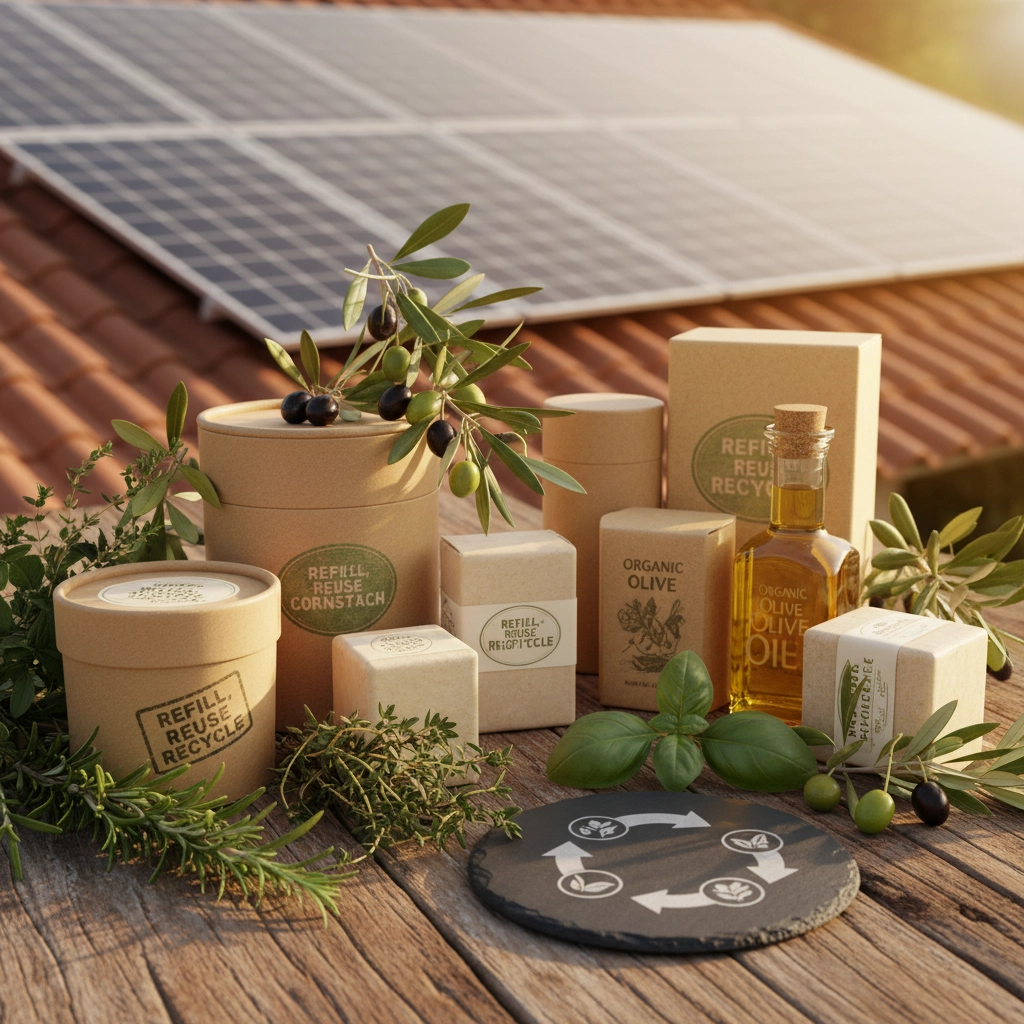
Eco-design is emerging as a key trend in the digital transformation of Tunisian companies. This approach involves incorporating environmental considerations from the design phase onward, resulting in more sustainable and environmentally friendly products.
In Tunisia, this approach perfectly meets the new expectations of consumers, who are particularly sensitive to environmental issues. Companies that incorporate eco-design into their product lifecycle see a significant improvement in their brand image and increased customer loyalty.
The Circular Economy as a Business Model
Life-cycle optimization now requires the adoption of circular economic models. This approach involves designing products that are built to be repaired, reused, or recycled, creating new sources of revenue while reducing environmental impact.
Adaptation to the specific characteristics of the Tunisian market
The Retail Sector: Between Tradition and Innovation
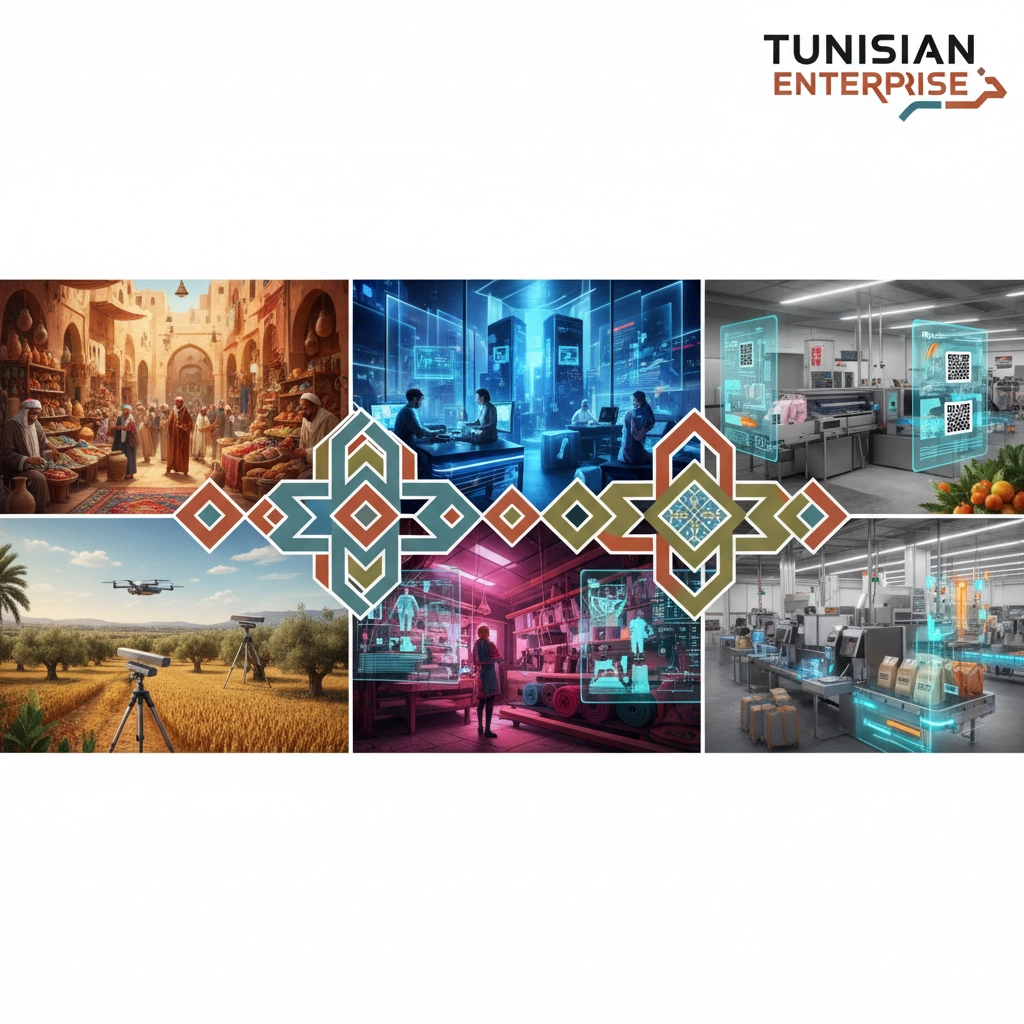
In the Tunisian retail sector, product lifecycle management must take into account cultural specificities and local consumer habits. Successful companies are those that know how to combine technological innovation with respect for traditions.
The use of product innovation consulting tools makes it possible to fine-tune products to the tastes and preferences of Tunisian consumers, while incorporating the latest technological innovations.
The Food Industry: Innovation and Authenticity
The Tunisian agri-food sector is a perfect example of this balanced approach. Leading companies are incorporating cutting-edge technologies to optimize their production processes while preserving the authenticity and traditional quality of their products.
Food traceability, made possible by blockchain and IoT technologies, is becoming a major selling point for Tunisian consumers who are concerned about the quality and origin of their food.
Tunisian Tech: A Rapidly Expanding Ecosystem
The Tunisian tech ecosystem is experiencing exceptional growth, driven by a new generation of entrepreneurs who are fully versed in the principles of modern product lifecycle management. These startups naturally adopt an agile approach, incorporating user feedback and rapid iterations into their development processes.
The Socials Analytica Approach: Expertise and Support
Our expertise in life cycle optimization consulting is based on a deep understanding of the specific challenges of the Tunisian market. We support companies in their digital transformation by integrating the latest technological innovations while taking their operational and budgetary constraints into account.
Our methodological approach combines strategic analysis, technology implementation, and change management. We help our clients identify the most relevant optimization levers for their industry and competitive positioning.
Intervention Methodology
Our methodology is structured around four key phases:
- Comprehensive audit of the existing product lifecycle
- Identifying Opportunities for Optimization and Innovation
- Implementation of Appropriate Technological Solutions
- Support for Change Management
This approach delivers measurable results quickly while laying the groundwork for long-term, continuous improvement.
Real-world examples of successful transformation
Case Study of a Tunisian Agri-Food Company
A leading olive processing company has revolutionized its product approach by integrating AI to optimize its sorting and processing procedures. By using computer vision algorithms, the company can now ensure consistent quality while reducing its production costs by 25%.
This transformation is accompanied by an eco-design approach that has made it possible to develop 100% recyclable packaging, meeting consumers’ growing environmental expectations.
Innovation in the Tunisian Textile Industry
The textile sector, a pillar of the Tunisian economy, is undergoing a profound transformation thanks to new approaches to product lifecycle management. The integration of 3D modeling technologies makes it possible to significantly reduce prototyping time while improving the precision of designs.
The adoption of eco-friendly materials and optimized production processes enables Tunisian textile companies to position themselves in the high-end segments of European markets.
Emerging Trends and Future Outlook
The Hyperconnectivity of Objects
The Internet of Things (IoT) opens up new possibilities in product lifecycle management. Connected products generate valuable data on how they are actually used, making it possible to optimize future versions and develop new services.
This trend is particularly evident in the home appliance and automotive sectors, where Tunisian manufacturers are gradually incorporating connected features to set themselves apart from international competitors.
Predictive Intelligence
Predictive algorithms make it possible to anticipate breakdowns, optimize maintenance, and extend the lifespan of products. This approach creates value for both manufacturers and end users.
Conclusion and key points to remember
Product lifecycle management in Tunisia is entering a new era, marked by the widespread integration of digital technologies and the adoption of more sustainable approaches. Companies that are able to capitalize on these innovations—AI, data analytics, eco-design, and automation—will gain a significant edge over their competitors.
The three key factors to keep in mind:
- Artificial Intelligence as a Catalyst for Innovation and Process Optimization
- Eco-design as a factor in differentiation and in responding to societal expectations
- Careful adaptation to the specific characteristics of the Tunisian market and local consumer habits
Success in this transformation requires expert guidance that can navigate the balance between technological innovation and operational realities. This is exactly what Socials Analytica offers through its personalized consulting approach to product lifecycle optimization.
The future belongs to Tunisian companies that can combine operational excellence, technological innovation, and environmental responsibility within an integrated product life cycle approach.
