
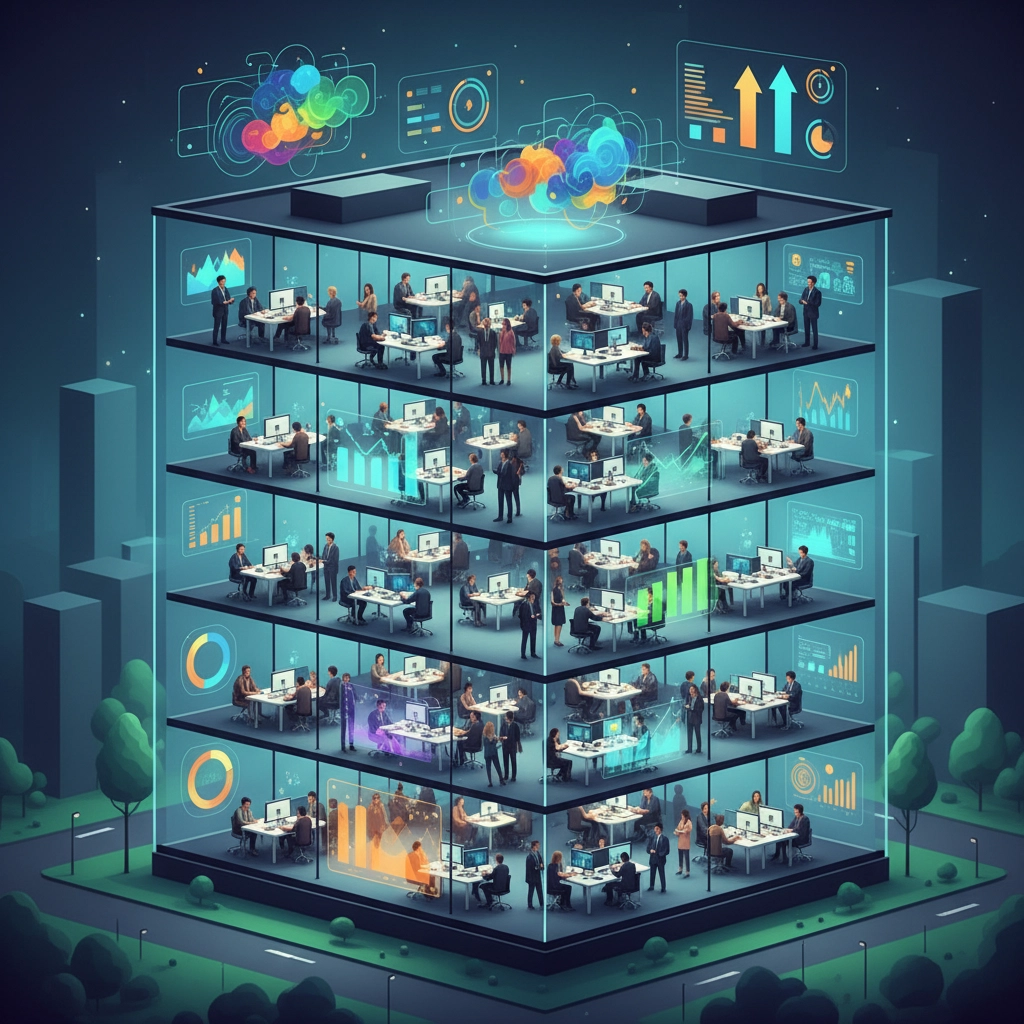
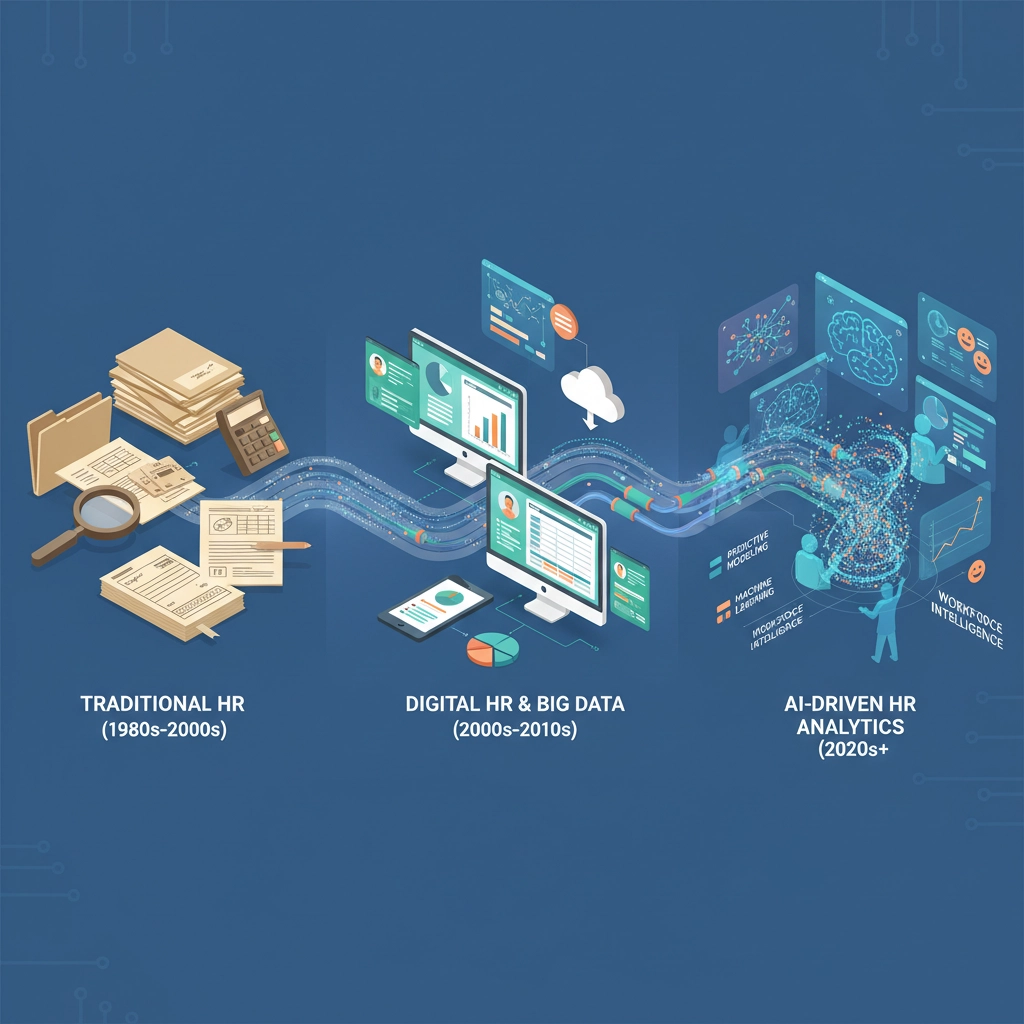
HR data analysis, also known as People Analytics, is one of the most significant revolutions in human resources management today. This scientific approach to talent management uses quantifiable data to make informed strategic decisions, fundamentally transforming the way companies recruit, retain, evaluate, and develop their employees.
According to a study by the ANDRH, 70% of French companies now view HR data as a major strategic issue; this digital transformation is affecting both multinational corporations and small and medium-sized enterprises (SMEs) seeking to optimize their human capital.
![image_1]()
![image_2]()
 These metrics help identify not only current top performers but also potential future leaders. For example, Google uses an algorithm that analyzes technical contributions, informal leadership, and impact on teams to identify its future managers.
![image_3]()

![image_4]()
The Data-Driven Recruitment Revolution
Predicting Future Performance
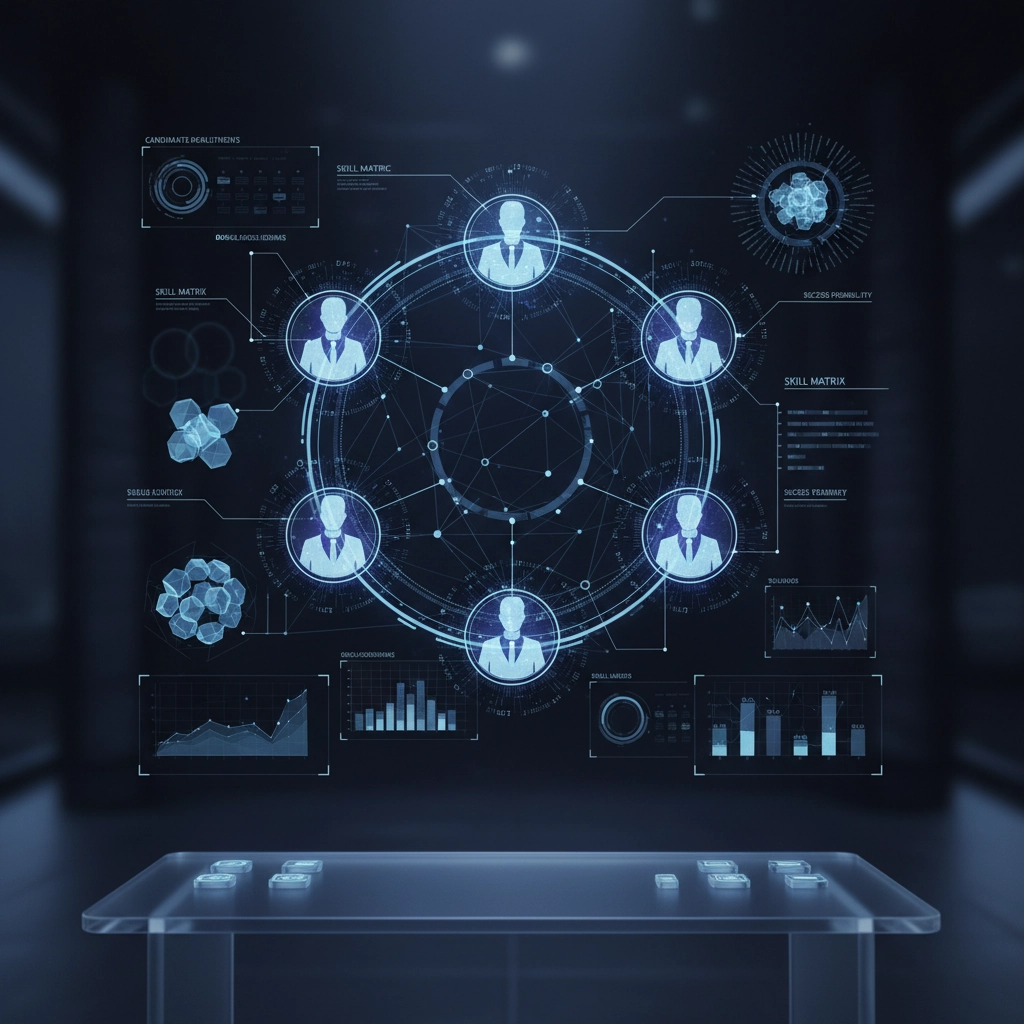
Data analytics is radically transforming recruitment processes by enabling companies to predict candidates’ future performance with remarkable accuracy. By analyzing historical data on high-performing employees, algorithms can identify the profiles and characteristics that correlate with success in a given role. For example, an SME in the technology sector can analyze the career paths of its top-performing developers to identify recurring patterns: training courses taken, specific professional experience, technical skills, and even personality traits assessed during interviews. According to industry studies, this approach reduces hiring errors by an average of 25%.
Optimizing Sourcing and Attractiveness
The data also makes it possible to optimize recruitment channels by analyzing the effectiveness of each candidate source. A detailed analysis reveals which job sites, professional social networks, or internal referrals generate the most qualified candidates who stay with the company the longest. This data-driven approach fits perfectly into a comprehensive digital marketing strategy, where talent acquisition follows the same principles as customer acquisition.Employee Retention: Anticipating and Preventing Employee Turnover
Predictive Models of Employee Turnover
One of the most impressive contributions of HR data analysis is the prediction of employee turnover. By analyzing a combination of factors—including engagement as measured by surveys, salary trends, feedback from managers, and use of employee benefits—algorithms can identify, with 85% accuracy, which employees are at risk of resigning within the next 6 months. At Microsoft, this approach has reduced turnover by 30% by proactively identifying early warning signs of disengagement and implementing personalized corrective measures, such as training, internal transfers, compensation adjustments, or improvements to working conditions.Personalizing the Employee Experience
The data enables the creation of customized employee development paths tailored to individual preferences and aspirations. Behavioral analysis (participation in training, use of workspaces, interactions with digital tools) reveals the specific motivational factors for each profile. An SME with 200 employees may find that its sales representatives are more engaged when faced with gamified challenges, while its engineers prefer autonomy and innovative technical projects. According to feedback from the field, this personalized experience improves satisfaction by 40%.Performance: Measuring and Optimizing Objectively
Predictive Performance KPIs
HR data analysis is revolutionizing performance evaluation by replacing subjective assessments with objective and predictive metrics. Beyond traditional quantitative metrics, new KPIs are emerging: the speed at which new skills are learned, the quality of interactions with colleagues, and the ability to adapt to change.
These metrics help identify not only current top performers but also potential future leaders. For example, Google uses an algorithm that analyzes technical contributions, informal leadership, and impact on teams to identify its future managers.
Optimizing Team Composition
Data analysis makes it possible to optimize team composition by identifying the combinations of profiles that maximize collective performance. By analyzing interactions, complementary skills, and interpersonal dynamics, HR can build more effective teams. This approach is particularly relevant for human resources optimization services, where data guides internal organizational decisions.Training: Customizing Development Paths
Artificial Intelligence and Training Recommendations
Data analysis transforms training by offering personalized development paths based on each employee’s identified skill gaps, career goals, and preferred learning styles. IBM uses its Watson system to analyze the skill profiles of its 350,000 employees and automatically recommend the most relevant training courses. The system takes into account the employee’s current position, career aspirations, skills gaps, and even preferred learning style (visual, auditory, kinesthetic) to suggest customized learning paths.Measuring the Effectiveness of Training Programs
The data makes it possible to accurately measure the ROI of training by correlating the programs completed with changes in performance, promotions, and engagement. This analytical approach guides training investments toward the programs with the greatest impact. A detailed analysis may reveal that a two-day technical training course leads to a 15% increase in productivity over six months, while a team-building seminar improves collaboration but does not directly impact business results.Concrete Examples of Transformation
Case Study of an Industrial SME: Optimizing Technical Hiring
An industrial SME with 150 employees specializing in precision machining was facing recurring difficulties in recruiting qualified technicians. By analyzing data on its top-performing employees over a five-year period, the company determined that the best candidates had completed work-study programs rather than traditional college degrees and had prior experience in the automotive industry. This discovery led the company to focus its recruitment strategy on work-study programs and job fairs in the automotive sector, reducing the time to hire by 45% and improving the quality of hires.
Case Study of a Tech Scale-Up: Preventing Burnout Through Data
A fast-growing fintech startup with 80 employees has developed an early-warning system for burnout by analyzing several indicators: hours spent logged into work tools, response times to emails, meeting attendance, and vacation usage. The algorithm identified 12 employees experiencing critical stress before they exhibited visible symptoms. Preventive measures (temporary reduction in workload, psychological support, and team reorganization) prevented 8 absences from work and 3 resignations.Case Study of a Retail Group: Optimizing Schedules with AI
A retail chain with 500 stores uses predictive analytics to optimize its schedules by correlating customer traffic, staff skills, and performance metrics. The system analyzes sales by time slot, the specific skills required (customer service, cashiering, merchandising), and employees’ personal preferences. This approach increased customer satisfaction by 20% while reducing personnel costs by 8% through optimal resource allocation.Challenges and Ethical Considerations
Personal Data Protection and GDPR Compliance
The use of HR data raises important issues regarding confidentiality and privacy. Companies must ensure GDPR compliance by clearly defining the purposes of use, obtaining the necessary consent, and ensuring data security. Establishing a robust data governance framework—including a Data Protection Officer and clear policies—is becoming essential for realizing the potential of HR analytics while respecting employee rights.Transparency and Social Acceptability
Employees’ acceptance of data analysis depends largely on transparency regarding the methods used and the objectives pursued. Clear communication about individual and collective benefits (improved well-being, career development, working conditions) fosters buy-in. The most progressive companies involve employee representatives in establishing rules of use and publish codes of ethics that detail their commitments.Data Training for HR Teams
This transformation requires HR teams to significantly enhance their skills. Beyond technical tools, it is essential to foster a data-driven culture and develop statistical interpretation skills to avoid biases and analytical errors. This trend is part of a broader effort to transform businesses, in which data is becoming a key strategic asset.Emerging Technologies and Tools
Artificial Intelligence and Machine Learning
Machine learning algorithms can identify complex patterns in HR data that traditional human analysis would be unable to detect. These technologies simultaneously analyze hundreds of variables to predict behavior and recommend actions. For example, neural networks analyze internal conversations (with consent) to detect signs of disengagement or identify informal opinion leaders within the organization.Real-time analytics and predictive dashboards
Modern platforms offer real-time dashboards that automatically alert managers to situations requiring immediate attention: the risk of a key employee leaving, an overloaded team, or declining engagement in a department. These tools transform the HR function from a reactive approach to a proactive and preventive one.