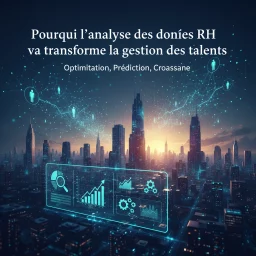
The human resources landscape in Tunisia is undergoing a profound transformation, driven by technological innovation and changing employee expectations. In light of these challenges,optimizing human resources has become a major strategic priority for Tunisian companies that want to remain competitive and attract top talent. This transformation requires a modern approach that combines cutting-edge technology with innovative HR strategies.
The Digital Revolution at the Heart of Tunisia’s HR Transformation
Today, HR digitization represents much more than simply modernizing tools: it serves as a true driver of performance for Tunisian companies. HRIS (Human Resources Information Systems) platforms now make it possible to centralize all employee data, from recruitment to career management.

In practical terms, this digital transformation involves the automation of time-consuming administrative processes: leave management, payroll processing, and performance review tracking. For Tunisian companies, this optimization represents a considerable time savings, allowing HR teams to refocus on their strategic role of supporting and developing talent.
The integration of digital recruitment tools is also revolutionizing talent acquisition. Tunisian companies can now post job openings across multiple channels simultaneously, analyze applications using matching algorithms, and conduct virtual interviews, thereby reducing recruitment time and costs.
Artificial Intelligence for Talent Management
AI in talent management opens up unprecedented opportunities for optimizing human resources in Tunisia. Machine learning algorithms make it possible to identify high-potential employees, predict turnover risks, and customize professional development paths.
HR chatbots, for example, are transforming the employee experience by providing 24/7 support for common administrative questions. This innovation, which is particularly relevant in the Tunisian context, helps overcome geographical and time-related constraints, especially for companies with multiple locations.
Predictive analysis of HR data is another major advantage. By analyzing patterns of performance, engagement, and mobility, Tunisian companies can anticipate training needs, identify high-potential employees at risk of leaving, and optimize their employee retention strategies.
Well-being at work: a new priority for Tunisian companies
Growing awareness of workplace well-being is radically transforming the HR approach of Tunisian companies. This shift responds to a growing demand from employees—particularly younger generations—who place work-life balance at the heart of their criteria for choosing an employer.

Well-being programs now include concrete initiatives: relaxation areas, flexible schedules, remote work, and corporate fitness programs. These measures, initially viewed as “employee benefits,” are becoming strategic drivers of HR performance and talent retention.
Measuring well-being through regular satisfaction surveys, indicators of quality of life at work (QLW), and collaborative feedback tools enables Tunisian companies to effectively manage these initiatives and demonstrate their ROI in terms of engagement and productivity.
Building an Attractive Employer Brand in a Competitive Market
Employer branding is becoming a crucial differentiator for Tunisian companies in the war for talent. Building a reputation as a top employer requires a coherent strategy that aligns external communication with internal realities.
Professional social networks such as LinkedIn, which are becoming increasingly popular in Tunisia, offer unique opportunities to showcase corporate culture, employee testimonials, and internal success stories. This digital visibility, combined with an innovative HR policy, naturally attracts qualified candidates.
Authenticity remains the key word: Tunisian job seekers—especially recent graduates—actively verify whether an employer’s promises match the reality on the ground. Reviews on Glassdoor, testimonials on social media, and word of mouth significantly influence applicants’ decisions.
Organizational Agility: Meeting the Challenges of the Tunisian Market
Organizationalagility is becoming essential for Tunisian companies operating in a constantly changing economic environment. This flexible approach is reflected in leaner hierarchical structures, faster decision-making processes, and the ability to adapt quickly to market changes.

The establishment of cross-functional project teams, collaborative work methods, and instant communication tools is transforming traditional corporate culture. This shift meets the expectations of new generations of Tunisian employees, who are accustomed to responsiveness and autonomy.
Agility is also evident in skills management: ongoing training, facilitated internal mobility, and supported career transitions. These practices enable Tunisian companies to adapt quickly to technological and industry changes.
Retention Strategies Tailored to Young Tunisian Talent
Retaining young talent is a major challenge for Tunisian companies, which face growing international competition and the specific aspirations of Millennials and Generation Z.
Effective strategies combine accelerated professional development, non-monetary recognition, and opportunities for international mobility. Mentoring programs, certification-based training tracks, and innovation projects help maintain the engagement of high-potential employees.
Organizational flexibility is another key factor: partial remote work, flexible schedules, and sabbaticals. These measures, which are particularly appreciated by young Tunisian professionals, contribute significantly to employee retention.
Consulting Expertise: A Catalyst for HR Transformation
Given these complex challenges, support from experts in human resources optimization consulting has become essential. Socials Analytica supports Tunisian companies through this transformation by offering customized solutions tailored to local conditions.
Consulting expertise provides an objective, outside perspective, in-depth knowledge of international best practices, and a proven track record of successful implementation. This approach helps avoid the common pitfalls of HR transformation and significantly accelerates results.
An audit of existing practices, the development of a strategic roadmap, and change management support are the cornerstones of a successful HR transformation. This proven methodology ensures a measurable and sustainable return on investment.
Measuring Impact: Key HR Performance Indicators
Optimizing human resources requires rigorous management based on relevant HR performance metrics. Turnover rate, time to hire, employee engagement, and productivity are the key metrics to monitor.

Modern HR dashboards also include forward-looking metrics: talent development potential, risk of key employees leaving, and the match between skills and job roles. This predictive approach enables Tunisian companies to anticipate issues and take proactive action.
Comparative analysis with industry and national benchmarks provides valuable insight into the company’s relative performance. This perspective helps guide improvement priorities and supports the case for HR investments to senior management.
Specific Challenges in the Tunisian Market
Tunisia’s economic and cultural context has unique characteristics that influence HR optimization strategies. The coexistence of traditional family-owned businesses and innovative startups creates a diverse ecosystem with a wide range of needs.
The brain drain to Europe poses a major challenge, requiring innovative retention strategies and competitive compensation policies. Tunisian companies must compete with international opportunities to retain their best talent.
However, the gradual digitization of the Tunisian labor market offers unique opportunities: access to geographically dispersed talent, reduced operating costs, and improved efficiency in HR processes.
Optimizing human resources in Tunisia is a strategic imperative for companies seeking to thrive in the modern economy. The combination of innovative technologies, agile management practices, and expert guidance is the key to success. Companies that invest in this HR transformation today will gain a significant edge over their competitors, while creating an attractive work environment for the talent of tomorrow.