The B2B events industry is undergoing a quiet revolution. From ultra-advanced personalization to intelligent automation and predictive optimization, artificial intelligence is completely redefining how we organize, manage, and maximize the impact of business events. Gone are the days of traditional, manual methods—make way for a data-driven approach that transforms every trade show, conference, or seminar into a machine that delivers measurable results.
From Brief to Strategy: AI as an Event Consultant
Defining objectives with surgical precision is the first critical step. AI now analyzes your CRM data, event history, and business goals to propose tailored strategies. For example, a SaaS company hosting a webinar can use predictive algorithms to identify the optimal format: 67% of participants prefer sessions lasting no more than 45 minutes, with built-in 15-minute networking breaks.
Artificial intelligence also helps segment audiences with a level of detail that would be impossible to achieve manually. Rather than targeting “CIOs in the banking sector,” AI can identify “CIOs at regional banks, aged 35–50, who have attended fintech events in the past 6 months and have shown an interest in cybersecurity.” This level of precision directly boosts conversion rates.

This analytical approach also influences the choice of event format. By analyzing the past behavior of your target audience, AI can predict that a hybrid event will generate 35% more qualified leads for the same budget.
Smart Planning: When AI Optimizes Every Detail
Traditional logistics management often relies on experience and intuition. AI, on the other hand, uses predictive models to anticipate actual needs. Specifically, it can predict that for a conference with 500 attendees, 847 meals will need to be ordered (taking into account a statistical 8% no-show rate and last-minute guests).
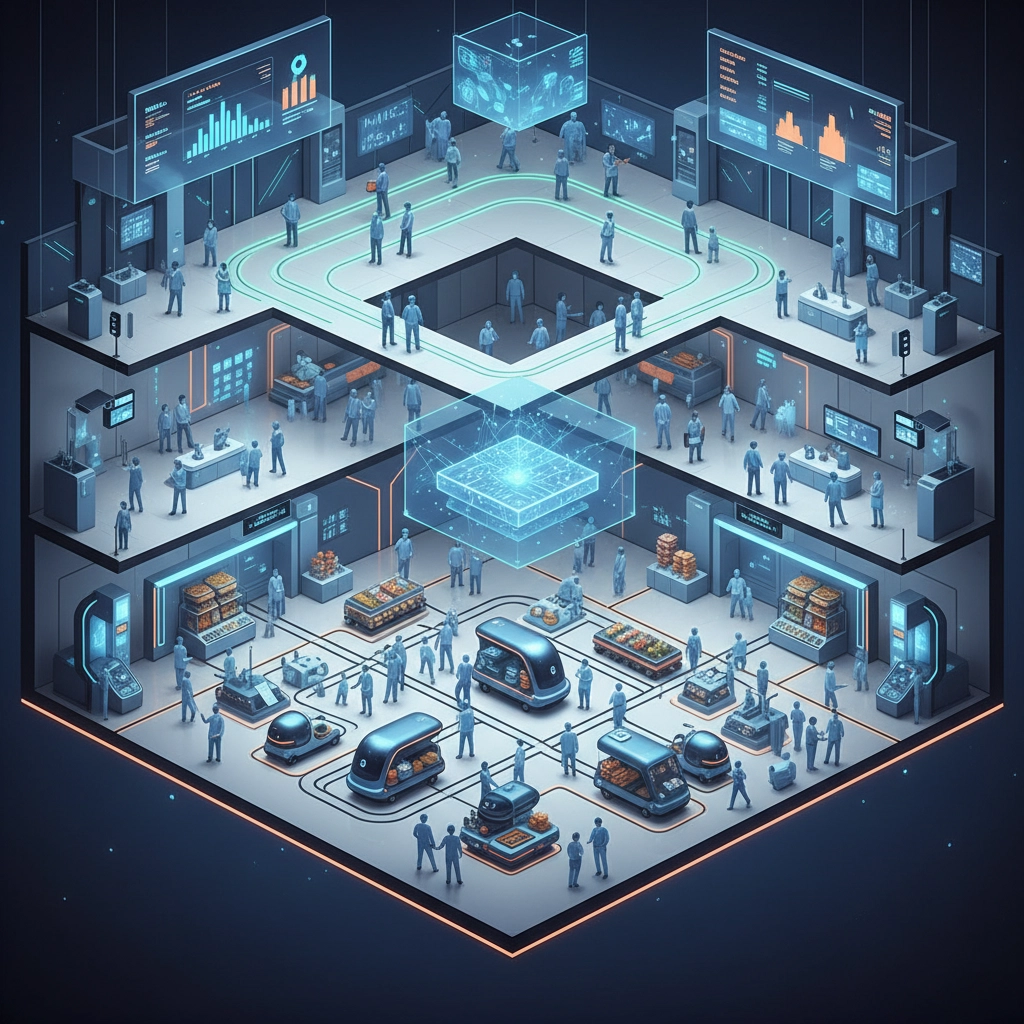
Space optimization is becoming a science. AI analyzes visitor traffic, predicts areas of congestion, and suggests optimal layouts. The result: a 23% reduction in travel time for attendees and a 15% increase in meaningful interactions between exhibitors and visitors.
For B2B event management, modern AI tools also incorporate predictive supplier management. They analyze past performance, delivery times, and stockout risks to recommend the best partners based on your criteria.
Logistics Automation: From Theory to Practice
Automated lead capture and qualification are among the most immediate benefits. Intelligent chatbots can qualify 78% of incoming leads without human intervention by asking the right questions and automatically routing them to the appropriate representatives.
Invitation management is becoming highly personalized. AI analyzes each contact’s behavior (email opens, clicks, past interactions) to determine the best time to send, the optimal tone, and even the most engaging subject line. Some companies have seen their open rates increase by a factor of 2.3 thanks to this approach.
Real-timeschedule optimization is another major advantage. AI can automatically reschedule sessions if a presenter is absent, suggest suitable replacements, and instantly notify all affected participants through the appropriate channels.
Large-Scale Personalization: The Tailor-Made Experience
AI makes it possible to create personalized itineraries for each participant. By analyzing their LinkedIn profile, past interactions, and stated interests, it can recommend the three most relevant sessions, identify five priority contacts to meet, and even suggest the best time slots to optimize their schedule.
This personalization extends to real-time content. During a conference, the AI can send supplementary resources, links to similar case studies, or invitations to follow-up sessions, based on each participant’s reactions and engagement.

AI-powered event apps are also transforming the networking experience. They can suggest relevant connections, facilitate scheduling meetings, and even suggest conversation topics based on identified common interests.
ROI and Performance: Measuring the Actual Impact
Thanks to AI, it is finally possibleto accurately attribute results. It can track a prospect’s entire journey: from their first interaction with the invitation through all event touchpoints to the signing of the contract six months later.
Predictive KPIs are replacing retrospective metrics. AI can predict, as early as Day 3 after an event, the likely number of leads that will turn into qualified opportunities, allowing for immediate adjustments to the sales follow-up strategy.
This data-driven approach fits seamlessly into a comprehensive digital marketing strategy, where events become a measurable and optimizable lever, just like other acquisition channels.
Cost Management and Budget Optimization
AI is also revolutionizing event budget management. It can analyze thousands of supplier quotes in just a few minutes, identify the best value for money, and even automatically negotiate certain rates based on real-time market data.
Forecasting hidden costs is becoming more accurate. AI can flag the risk of budget overruns three weeks before an event by analyzing spending trends and historical last-minute changes.
Technology Integration and Practical Tools
To effectively implement AI in your B2B events, several market-leading tools offer plug-and-play solutions. Platforms such as Eventbrite now include AI features for pricing optimization and demand forecasting.
Modern Customer Relationship Management solutions can integrate with your event management tools to create automated post-event nurturing workflows, thereby maximizing the conversion of generated leads.

This technological approach fits perfectly into a broaderworkflow automation strategy, in which event-driven processes become an optimized link in the customer acquisition chain.
Toward Smart Event Management: Trends for 2025
The future of B2B events is taking shape around a few key innovations. Adaptive events that adjust their program in real time based on participant engagement. AI-driven augmented reality to create personalized, immersive experiences. And event ecosystems where every touchpoint (before, during, and after) is orchestrated by artificial intelligence.
Integration with customer relationship management tools already makes it possible to create omnichannel experiences in which the in-person or virtual event is just one element of a broader, more intelligent customer journey.
Takeaways: Your AI Event Roadmap
Start small but think big: first implement AI for a specific task (lead qualification, schedule optimization) before expanding it to the entire process. Measure everything: AI is only valuable if it’s based on reliable qualitative and quantitative data. Keep people at the center: AI optimizes efficiency, but it’s consulting expertise that defines the strategy and ensures alignment with your business objectives.
Smart B2B events are no longer a futuristic vision but an accessible reality. Companies that adopt them now gain a decisive competitive edge in their market.