Organizing a successful B2B event in 2025 means navigating a complex landscape where every detail counts. Yet 68% of corporate events fail to meet their initial objectives, mainly due to avoidable mistakes that are repeated from one organization to the next. These failures not only represent a significant financial loss but also have a negative impact on brand image and customer relationships.
What’s the difference between a memorable B2B event and a resounding flop? Professional guidance that anticipates pitfalls and turns every challenge into an opportunity. Here’s a breakdown of the 5 most common mistakes and the winning strategies to avoid them.
1. The Lack of Clear Goals: The Pitfall of Navigating Blindly
“Why are we organizing this event?” This question, which seems obvious, remains unclear to 43% of B2B event organizers. Without a specific goal, your event becomes like a ship without a compass: costly, time-consuming, and ineffective.

The consequences are immediate: a confusing message, disengaged participants, and no ROI. An event without a clear objective generates, on average, one-third as many qualified leads as an event structured around a specific strategy.
The Consulting Solution: Professional guidance always begins with defining SMART goals (Specific, Measurable, Achievable, Realistic, Time-bound). Whether the goal is to generate 150 qualified leads, raise brand awareness among 500 IT decision-makers, or retain 80% of your premium clientele, every aspect of the event must support that objective.
At Socials Analytica, we structure each project around a primary objective broken down into operational sub-objectives, ensuring perfect alignment between our overall strategy and on-the-ground execution.
2. Broad Targeting: Talking to Everyone, Convincing No One
In B2B, your audience is not homogeneous. An HR director, a CFO, and an IT manager don’t share the same concerns, the same language, or the same expectations. Yet 51% of B2B events use a “one-size-fits-all” approach to communication, which dilutes the message and reduces its impact.
The classic mistake: Inviting 500 people “from the industry” without specific segmentation. The result? Content that’s too generic, superficial conversations, and ineffective networking.
Consulting Strategy: Laser-focused targeting begins with accurately mapping out your personas. For each segment, we define:
- Specific pain points
- Level of technical expertise
- Preferred Communication Channels
- Optimal Intervention Formats
This approach increases engagement by 340% and participant satisfaction by 78%.

3. Sloppy Planning: Improvisation, the Enemy of Excellence
“We’ll see how it goes on the big day”: this mindset dooms 37% of B2B events to failure. Organizing a professional event requires between 6 and 12 months of preparation, depending on the scope of the project. Starting just two months before the big day leaves you exposed to all kinds of unforeseen circumstances with no room for maneuver.
The concrete impacts of a lack of foresight:
- Additional costs averaging 40% (emergency rentals, premium service providers)
- Chronic Stress Among Teams
- Decline in service quality
- Last-minute cancellations
The Professional Approach: A detailed reverse schedule breaks down each step into specific milestones. We systematically include:
- A 20% buffer for each critical deadline
- Contingency plans for all critical areas (weather, transportation, technology)
- Quality control checks at every stage
- Budget management with a contingency fund
This methodology reduces operational risks by 85% and ensures smooth execution.
4. Technology Overload: When Tools Become Obstacles
The digital revolution has transformed the events industry, but be careful not to fall into the trap of over-reliance on technology. 29% of B2B events suffer from an excess of digital tools that complicate the experience rather than making it run more smoothly.
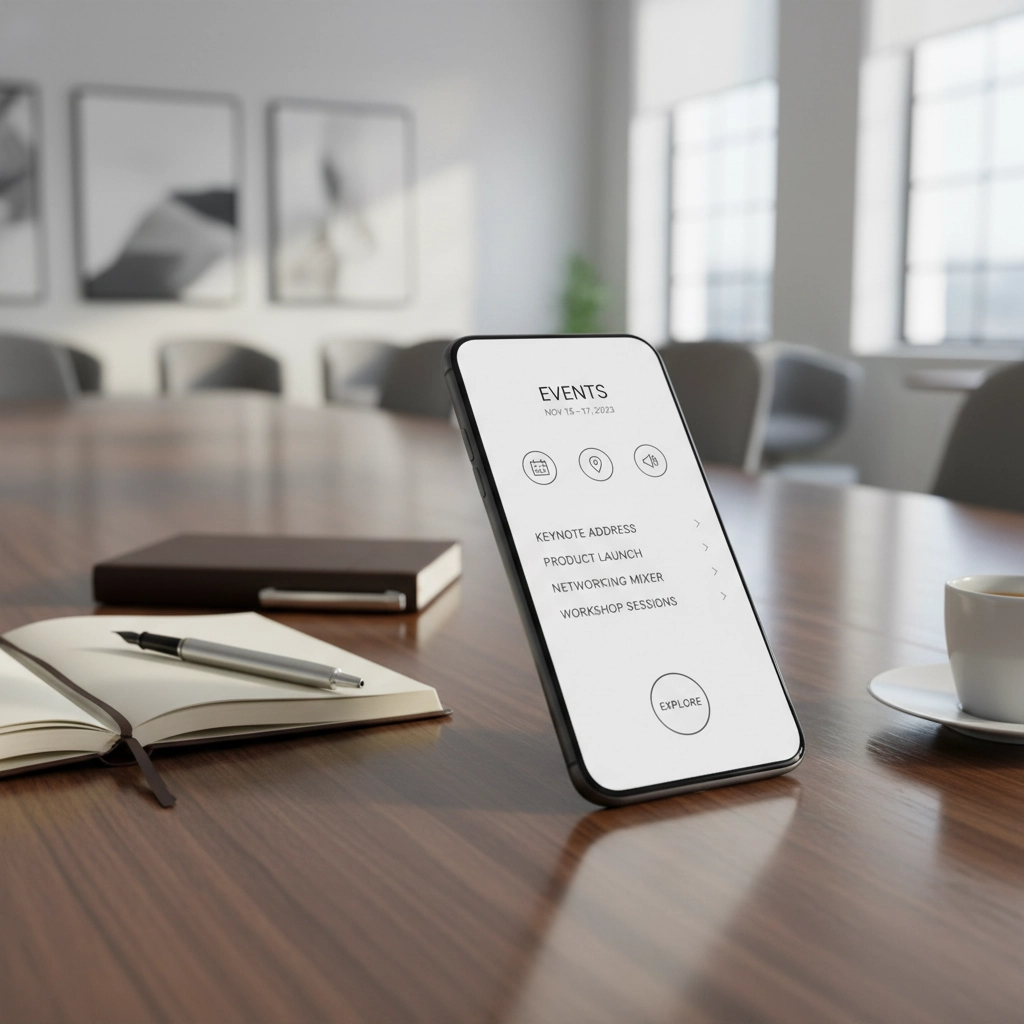
Symptoms of tech overdose:
- Event apps that are too complex and distract users
- The Proliferation of QR Codes and Interfaces
- Technical glitches that bring the event to a standstill
- Participants Lost in the Digital Jungle
The “useful tech” philosophy: Every technological solution must address a specific need and enhance the user experience. Our approach emphasizes:
- A centralized platform rather than scattered tools
- Intuitive interfaces tested in advance
- Backup solutions for every critical component
- Systematic user training
The right balance of technology increases engagement by 60% while reducing friction points by 80%.
5. The Phantom Follow-Up: Ruining the Post-Event Experience
The event ends, attendees head home… and that’s when 72% of organizers make their biggest mistake: completely neglecting post-event follow-up. The result? Generated leads go untapped, newly formed relationships fizzle out, and ROI plummets.
The painful numbers:
- Only 23% of event leads are followed up on within 48 hours
- 67% of sales opportunities are lost due to a lack of structured follow-up
- Customer acquisition costs rise by 245% without a nurturing strategy
The Smart Follow-Up Strategy: Professional support anticipates the post-event phase right from the design stage:
- Automation of personalized thank-you sequences
- Automatic lead scoring based on engagement level
- Properly forwarded to the sales teams
- Accurate ROI measurement with dedicated dashboards

This approach quadruples the conversion rate of event leads into concrete sales opportunities.
The Hybrid Event: The New Normal 2025
It’s impossible to ignore the hybrid revolution: 52% of participants now prefer a format that combines in-person and digital elements. This shift is fundamentally transforming event planning and increasing the number of potential sources of error.
New Challenges:
- Perfect synchronization between physical and digital experiences
- Facilitating Meetings with Participants Who Have Different Expectations
- Professional Broadcast Technology
- Moderation of Cross-Channel Interactions
Expert guidance is essential to managing this complexity and creating a seamless experience for all participants, regardless of how they choose to participate.
Artificial Intelligence and Event Management: The Future Is Taking Shape
AI is also revolutionizing the events industry with innovations such as automatic program customization, predictive schedule optimization, and real-time analysis of attendees’ emotions. When used effectively, these technologies offer a major competitive advantage.

Discover how artificial intelligence is transforming marketing and its application to B2B events.
The Error-Prevention Checklist for 2025
Before the event:
✅ SMART objectives defined and approved by management
✅ Detailed personas with personalized messages
✅ Reverse schedule with buffers and contingency plans
✅ Tested and mastered technology stack
✅ Ready and automated follow-up strategy
During the event:
✅ Real-time KPI monitoring
✅ Dedicated troubleshooting teams
✅ Systematic collection of engagement data
✅ Dynamic adjustments based on feedback
After the event:
✅ Thank-you messages sent within 24 hours
✅ Qualified leads forwarded to the sales teams
✅ Detailed ROI analysis with recommendations
✅ Applying lessons learned to future events
Conclusion: Expertise Is the Key to Success
Organizing a high-impact B2B event in 2025 requires much more than just a good idea and enthusiasm. With technological challenges, evolving customer expectations, and increased competition, there’s very little room for error.
The five mistakes we’ve outlined cost French companies millions of euros each year and hinder their business growth. However, these setbacks can be avoided with the right support.
Expert advice turns your vision into an operational reality, anticipates obstacles, and maximizes your return on investment. In an environment where every euro must be justified and every action measured, this expertise becomes indispensable.
The B2B event of the future will be hybrid, data-driven, and seamlessly integrated into your overall digital marketing strategy. The question is no longer whether you need support, but what level of expertise you’ll choose to make a difference.