



Digital transformation presents a major opportunity for small and medium-sized businesses, but it also brings with it critical challenges in cybersecurity and data protection. Contrary to popular belief, small and medium-sized enterprises are prime targets for cybercriminals, precisely because they often have less sophisticated defenses than large companies.
In 2024, 60% of small and medium-sized businesses that fell victim to cyberattacks filed for bankruptcy within six months of the incident. This alarming statistic underscores the critical importance of integrating cybersecurity from the very beginning of your digital transformation.
SMEs in the Crosshairs of Cybercriminals
SMEs account for 95% of the French economy and handle sensitive data on a daily basis: customer information, financial data, and trade secrets. This wealth of information, combined with often limited security budgets, makes them prime targets.
The main vulnerabilities of small and medium-sized enterprises:
- Lack of staff awareness of cyber risks
- Lack of a formalized security policy
- Outdated computer systems
- No Backups or Inadequate Backups
- Inadequate access controls

The Threat Landscape in 2025
Ransomware: The No. 1 Threat
Ransomware accounts for 45% of cyberattacks against small and medium-sized businesses. These malicious programs encrypt your data and demand a ransom to unlock it. The average cost of a ransomware attack on a small or medium-sized business exceeds €200,000.
Phishing and Social Engineering
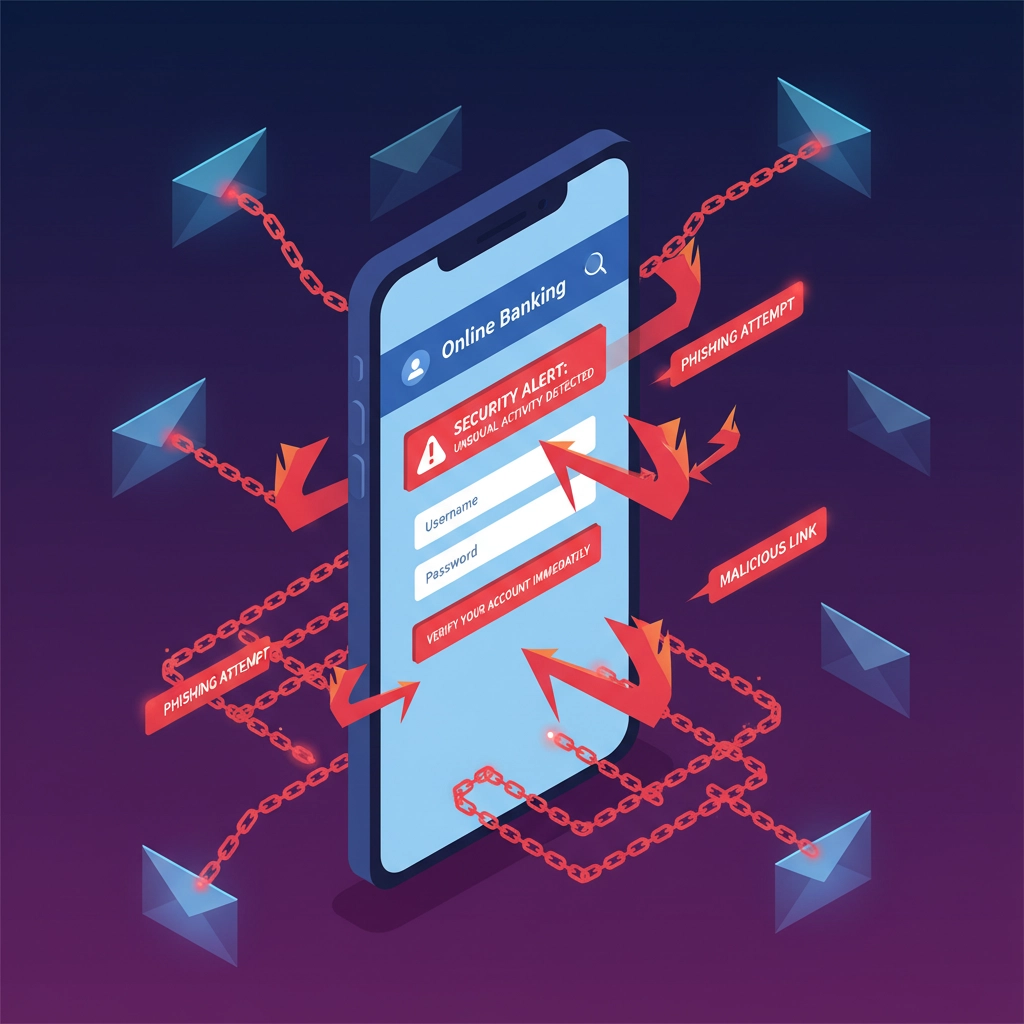
Phishing remains the hackers’ preferred point of entry. 91% of cyberattacks begin with a malicious email. The techniques are evolving: audio deepfakes, ultra-realistic fake websites, and targeted spear-phishing.
Vulnerabilities in Connected Devices (IoT)
With the rise of Industry 4.0, industrial connected devices are creating more and more entry points for attackers. Surveillance cameras, smart thermostats, connected machine tools—every unsecured device becomes a vulnerability.
Data Privacy and the GDPR: Essential Legal Obligations
Understanding the GDPR for Small and Medium-Sized Businesses
The General Data Protection Regulation applies to any company that processes the personal data of European residents. Fines can reach 4% of annual revenue or 20 million euros.
Main Responsibilities:
- Obtain explicit consent to collect data
- Inform individuals of their rights (access, correction, deletion)
- Report data breaches within 72 hours
- Appoint a DPO (Data Protection Officer) if necessary
- Maintain a record of treatments
Data Privacy by Design
Incorporating data protection by design into your systems allows you to:
- Reduce the risk of a breach
- Facilitate Regulatory Compliance
- Build Customer Trust
- Avoiding Compliance Costs After the Fact
Key Steps to Secure Your Digital Transformation
1. Preliminary Security Audit
Before you begin any digitization efforts, conduct a comprehensive audit of your current systems:
- System and Data Mapping
- Identification of Vulnerabilities
- Business Risk Assessment
- GDPR Compliance Analysis
Tools such as Mastercard CyberQuant enable small and medium-sized businesses to conduct an automated assessment of their exposure to cyber risks.
2. Staff Training and Awareness
85% of data breaches involve human error. Raising awareness among your teams is your first line of defense:
- Regular training sessions on best practices
- Real-world phishing tests
- Clear procedures in the event of an incident
- Appointment of Safety Liaisons by Department
3. Secure Architecture
Design your digital infrastructure according to the principles of security by design:
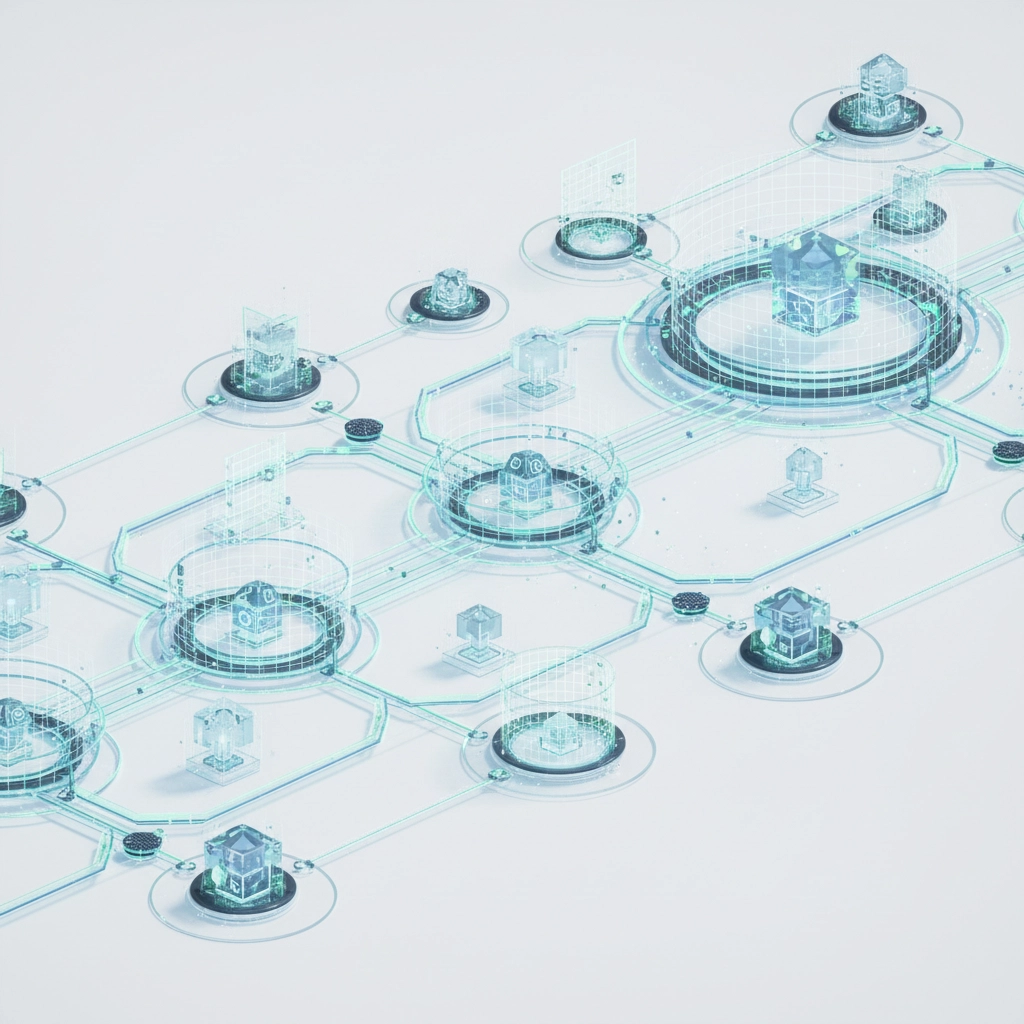
Network Segmentation: Isolate Your Critical Systems from the Rest of the Network
Strong Authentication: Implement Two-Factor Authentication (2FA)
Encryption: Encrypt your sensitive data in transit and at rest
Access Control: Apply the Principle of Least Privilege
4. Disaster Recovery and Business Continuity Plan
A robust backup strategy follows the 3-2-1 rule:
- 3 copies of your important data
- 2 different storage media
- 1 copy stored off-site
Test your recovery procedures regularly and develop a business continuity plan (BCP) that details the steps to take in the event of an incident.
Solutions and tools tailored for small and medium-sized businesses
Next-Generation Antivirus
EDR (Endpoint Detection and Response) solutions offer proactive protection against advanced threats. Vendors such as Bitdefender, CrowdStrike, and SentinelOne offer versions tailored to SMB budgets.
Firewalls and Web Filtering
A next-generation firewall with deep packet inspection (DPI) protects your network perimeter. Web filtering blocks access to malicious websites and reduces the risk of infection.
Centralized Identity Management
IAM (Identity and Access Management) solutions simplify user access management while enhancing security. Microsoft 365, Google Workspace, and Okta offer accessible cloud-based solutions.
Intrusion Monitoring and Detection
SIEM (Security Information and Event Management) systems analyze your system logs in real time to detect suspicious activity. Solutions such as Splunk or the ELK Stack are suitable for SMB infrastructures.
Best Operational Practices
Password Policy
Implement a strict policy:
- At least 12 characters with complexity
- Using a Password Manager
- Regular rotation of privileged passwords
- Prohibition on Reuse
Updates and Vulnerability Management
Establish a patch management process:
- Comprehensive Inventory of Your IT Assets
- Critical Vulnerability Scoring System (CVSS)
- Pre-production testing
- Scheduled Deployment of Patches
Incident Management
Develop an incident response plan that includes:
- Crisis team with defined roles
- Escalation Procedures and Communication
- Emergency Contacts (ANSSI, police, insurance)
- Communication with Clients and Regulatory Authorities
Support and Resources
Reference Organizations
- ANSSI (National Agency for Information System Security): Guides and Recommendations
- CNIL: GDPR Support and Practical Tools
- CLUSIF: Association for Information Systems Security
Certification and Labels
Certain certifications provide recognition and build trust:
- ISO 27001: Information Security Management
- Cyber Essentials: A Security Foundation for Small and Medium-Sized Businesses
- PASSI (Information Systems Security Audit Providers)
Cybersecurity and data protection are no longer constraints but genuine drivers of competitive differentiation. By incorporating these considerations from the very start of your digital transformation project, you not only protect your assets and your reputation but also build the trust necessary for your digital growth. The initial investment in security is an essential safeguard against the growing risks of the digital world.
Support from experts in digital transformation can help you structure your secure approach and optimize your investments based on your business priorities.
