The public relations landscape is undergoing an unprecedented transformation in 2025. Amid widespread use of artificial intelligence, heightened demands for authenticity, and audience fragmentation, professionals must completely rethink their approaches to make their brands shine. This revolution brings unprecedented opportunities for those who can adapt to the industry’s new realities.
Yesterday’s strategies no longer work. Generic press releases, one-way media relations, and campaigns disconnected from the digital world are a thing of the past. It’s time for a hybrid, data-driven, and deeply human approach that places authenticity at the heart of every interaction.
Artificial Intelligence: The New Right-Hand Man for Communicators
AI is radically transforming public relations in 2025, going far beyond simple automation. Professionals are now using artificial intelligence tools to analyze media trends in real time, tailor their pitches to journalists, and optimize the timing of their campaigns.

Hyper-targeted personalization is becoming the norm. Thanks to predictive analytics, PR teams can identify the topics that will specifically interest each journalist, the best time to contact them, and the most relevant editorial angle. This approach generates response rates three times higher than traditional methods.
AI also helps with creating content in multiple formats. Tools like ChatGPT and Claude help adapt a single message into a press release, LinkedIn post, Twitter thread, and podcast pitch. However, human oversight remains crucial to maintaining brand consistency and the authenticity of the message.
Digital marketing services now incorporate these technologies to offer businesses a more strategic and effective approach.
Authenticity and Transparency: The Pillars of Credibility
By 2025, audiences are growing increasingly averse to smooth, impersonal corporate messaging. Successful brands adopt a transparent approach to communication, embracing their imperfections and sharing their true values.
This demand for authenticity is reflected in several specific trends:
Executives are becoming active spokespersons. CEOs and founders are speaking out directly on LinkedIn, in podcasts, and at events. This approach humanizes the brand and builds trust. Tim Cook at Apple and Satya Nadella at Microsoft are perfect examples of this strategy.
Crisis communication is evolving. Rather than denying or downplaying problems, companies are quickly acknowledging their mistakes and clearly explaining the corrective actions they are taking. This transparency, while risky, often earns more respect than traditional avoidance strategies.
Public relations and media consultants help companies navigate this transition toward greater authenticity by developing sincere messages that resonate with their target audiences.
The Impact Measurement Revolution
Gone are the days when public relations was limited to counting press articles. By 2025, impact measurement will be as precise as that of digital marketing, with KPIs directly tied to business performance.

The new performance metrics include:
- Web traffic generated by media coverage
- Qualified leads generated through media relations
- The Impact on Organic Search Results Through Backlinks
- Turning Claims into Social Commitments
- The influence on purchasing decisions as measured by a survey
This trend is forcing PR teams to work closely with marketing and sales teams. CRM tools now incorporate press relations data to track the entire journey of prospects.
Attribution is becoming multichannel: a sale may result from a combination of a news article, a LinkedIn post by the CEO, and a Google Ads campaign. This holistic view makes it possible to optimize budgets and justify investments in PR.
The Rise of Micro-Influencers and Niche Experts
The monopoly of traditional media begins to crumble in 2025. PR professionals diversify their target audience to include specialized newsletters, niche podcasts, LinkedIn experts, and industry-specific micro-influencers.
B2B newsletters often generate more engagement than general-interest media. Publications such as “Morning Brew” in the business sector and “The Hustle” in the entrepreneurship sector reach highly qualified and engaged audiences.
Specialized podcasts offer long-form content that allows for in-depth exploration of topics. An appearance on an industry-specific podcast can generate more qualified leads than an article in a major media outlet.
This fragmentation requires professionals to develop personalized relationships with each type of contact. An approach that works with a business journalist won’t work for a tech podcaster or a LinkedIn expert.
Social Search: When Social Networks Replace Google
A major trend is transforming the way audiences discover brands: social search. By 2025, 40% of 18- to 24-year-olds will use TikTok or Instagram to search for information, turning away from Google.
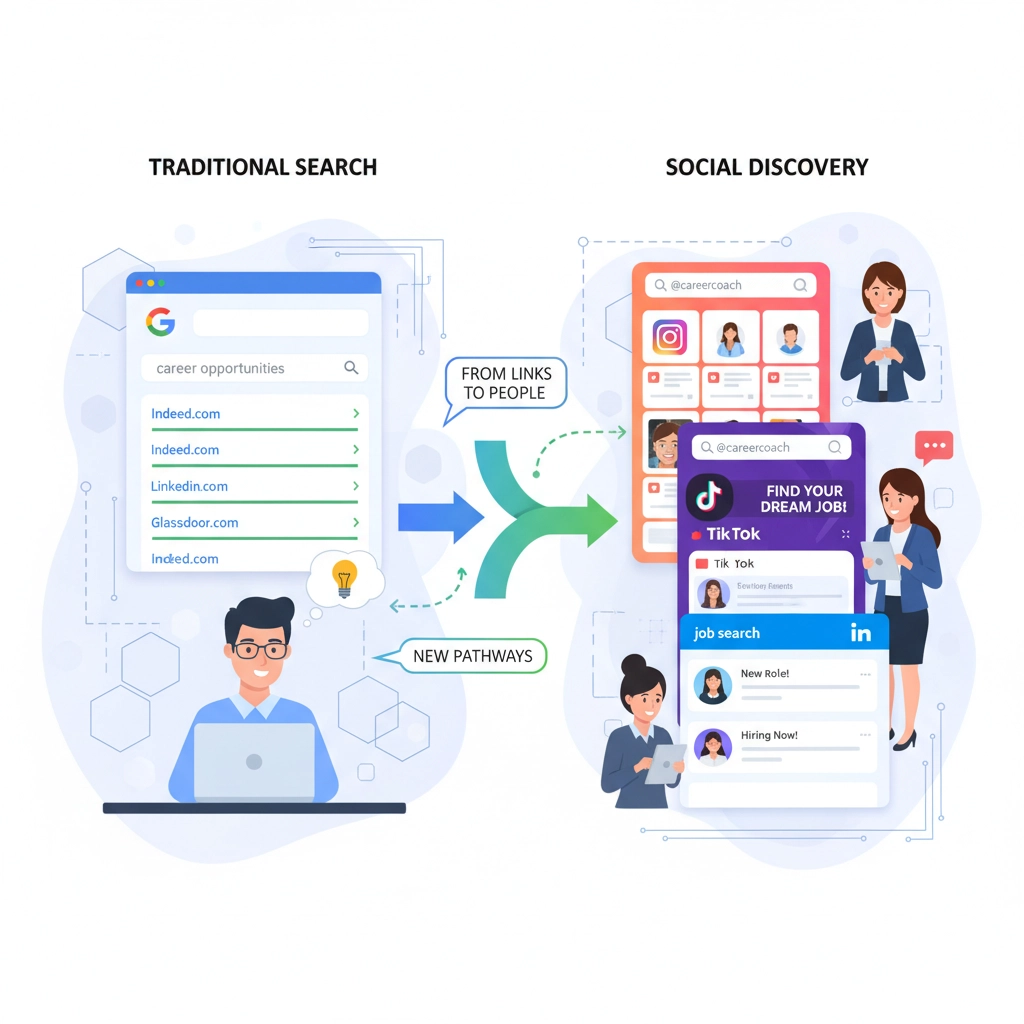
This trend requires brands to optimize their social media presence just as they used to optimize their websites for Google. Hashtags, descriptions, and visual content are becoming crucial elements of social media SEO.
Content strategies are evolving to address user queries directly on social media platforms. Brands are creating explanatory content, tutorials, and answers to frequently asked questions in the form of posts, stories, or short videos.
Social media management now incorporates this aspect of social search, optimizing each post for discoverability.
Multichannel Strategies: The Art of Orchestration
By 2025, the most effective PR campaigns will orchestrate all communication channels into a cohesive symphony. A product announcement will simultaneously take the form of a press release, a social media campaign, content posted by the CEO on LinkedIn, and a podcast pitch.
An example of a successful integrated campaign:
- 7 Days to Go: Teaser on the CEO’s social media accounts
- D-Day: Press Release + Exclusive Interview
- Day 1: Guest articles in the trade press
- Day 3: Podcast with the founder
- Day 7: Explanatory content on LinkedIn and YouTube
This approach maximizes reach while reinforcing the message through cross-channel repetition. It requires close coordination among the PR, marketing, and digital communications teams.
The Crucial Importance of Visual Storytelling
Audiences in 2025 consume visual content on a massive scale. PR professionals are bringing designers and videographers onto their teams to create visually compelling stories.
Formats that perform well:
- Data-driven infographics to illustrate research studies
- Short videos explaining product innovations
- LinkedIn carousels that tell the company’s story
- Instagram Stories from behind the scenes at events
This shift toward visual content is also transforming relationships with journalists. Rather than simple text-based press releases, companies are providing comprehensive media kits that include HD photos, videos, graphics, and ready-to-publish visual elements.
Digital marketing services support this transformation by creating visual content that aligns with the brand identity.
Practical Tips for 2025
Build relationships before you need to communicate. The most effective professionals maintain an ongoing network of journalists, influencers, and experts, sharing value without expecting an immediate return.
Continuously measure and adjust quickly. Monitoring tools allow you to track impact in real time and adapt your messages as needed. This agile approach stands in contrast to the static campaigns of the past.
Train executives in public speaking. CEOs and founders become key communication assets. Investing in their media and social media training generates a significant long-term ROI.
By 2025, public relations will become a hybrid discipline that combines cutting-edge technology with authentic human connections. Professionals who master this duality will transform their brands’ visibility into a sustainable competitive advantage. The challenge is no longer simply to gain visibility, but to create meaningful connections that generate trust, engagement, and business.