



Digital transformation is no longer a luxury reserved for large Western companies. Across Africa, innovative small and medium-sized enterprises are proving every day that, with the right strategies and tools, it is possible to revolutionize operations, access new markets, and optimize profitability. These African success stories demonstrate that digitization can be a real growth accelerator, even with limited resources.
Let’s take a look at five inspiring examples of African small and medium-sized enterprises that have successfully leveraged the digital revolution to transform their business models and break new ground.
1. Paps (Senegal): Revolutionizing Urban Logistics with an API

Founded by Bamba Lo, Paps is a prime example of how a small business can transform a traditional industry through a smart technological approach. This Senegalese startup has established itself as a major player in digital logistics in West Africa.
Transformation in Action
Paps has developed an API-based technology platform that enables retailers and small and medium-sized businesses to manage their deliveries in real time. The system includes:
- Real-time geolocation of delivery drivers
- Automatic Route Optimization
- Customer Tracking Interface
- Integrated payment system
- Advanced Analytics on Logistics Performance
Tangible Results
The company currently serves several major cities in Senegal, including Dakar, Thiès, and Saint-Louis. Its small and medium-sized business customers have seen a 40% reduction in their logistics costs and a 60% improvement in customer satisfaction thanks to real-time tracking.
Lessons to Learn
Paps’ success is based on three pillars:
- Identifying a Major Pain Point: Logistical Challenges in African Urban Areas
- Tailored Technology Solution: Easy-to-use, integrable API
- Scalable business model: commission on transactions
This approach demonstrates the importance of a well-thought-out digital marketing strategy for breaking into a traditional market.
2. Kwely (Senegal): Promoting African crafts in international markets
Founded by Birame Sock, Kwely is a prime example of digital transformation in the artisan sector. This B2B platform supports Senegalese artisan SMEs in their digital transformation and in gaining access to international markets.
A Holistic Approach to Digitalization
Kwely does more than just create a marketplace. The company offers comprehensive support that includes:
- E-commerce and Digital Marketing Training
- Packaging and Branding Support
- Export Compliance
- Integration with the international marketplace
- Logistics Support for Exports
Measurable impact on partner artisans
The small and medium-sized craft businesses supported by Kwely saw their revenue increase by an average of 150% in the first year. Even more impressive, 80% of them now export to Europe and North America.
Key Success Factors
Kwely’s approach perfectly illustrates the importance of:
- A Human-Centered Approach to Digital Transformation
- Training Teams on New Tools
- The integration of all aspects of the value chain
This comprehensive strategy is similar tothe human resources optimization services we offer at Socials Analytica.
3. InTouch (Senegal): The fintech company that rivals international giants
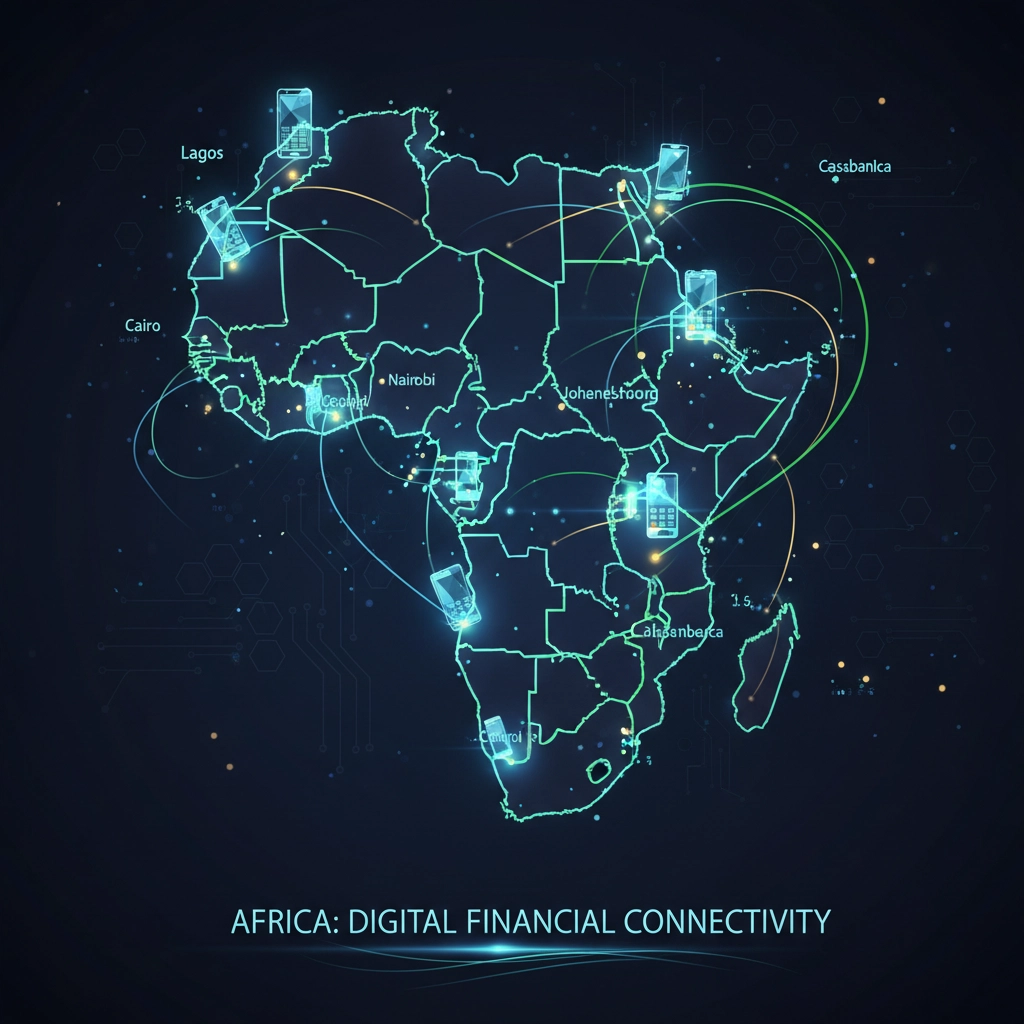
Based in Dakar, InTouch proves that an African small and medium-sized enterprise can achieve excellence in the world’s most competitive fintech sector. The numbers speak for themselves: 189 million transactions processed, totaling 2.73 billion euros.
Controlled Exponential Growth
InTouch now operates in 16 African countries with more than 48,000 payment locations. This expansion is driven by a strategy of gradual digitization that includes:
- Development of a Multi-Currency Payment Platform
- API Integration with Local Banking Systems
- Mobile payment solutions tailored to each market
- Automated compliance system for each jurisdiction
Philosophy of Incremental Innovation
According to Omar Cissé, CEO of InTouch: “Companies are like athletes… You have to evaluate, train, and adjust. “ This approach to continuous improvement has enabled the company to maintain a 99.8% uptime rate across all of its services.
Lessons for African SMEs
InTouch’s success demonstrates that:
- The technical quality is on par with international standards
- Local adaptation remains crucial despite globalization
- Incremental innovation can be more effective than technological revolutions
This methodical approach underscores the importance of sound information systems consulting to support the transformation.
4. OmniRetail: Digitizing Traditional Retail in Africa
OmniRetail is revolutionizing retail in Africa by connecting retailers and manufacturers through an innovative digital platform. The company serves 140,000 retailers and works with more than 200 manufacturers.

A disruptive yet respectful model
Unlike “Uber-like” approaches that seek to eliminate intermediaries, OmniRetail digitizes and adds value to them:
- Digital Ordering Platform for Retailers
- Real-Time Inventory Management System
- Integrated Financing Solution for Small Business Owners
- AI-Based Logistics Optimization
- Continuing Education for Distribution Partners
Internationally Recognized Performance
The company is listed in the Financial Times’ ranking of the fastest-growing African companies. This international recognition validates the effectiveness of its digitalization model, which respects local ecosystems.
Innovation in Financial Services
OmniRetail has developed an instant microcredit solution for retailers, based on an analysis of their order data. This innovation has increased sales by 200% for participating retailers.
OmniRetail’s success perfectly illustrates the benefits of a well-thought-out approach toworkflow automation.
5. ALHIST: Measuring Operational Excellence
ALHIST is a prime example of digital transformation focused on operational efficiency. This small business has achieved impressive, quantifiable results through its digitalization strategy.
Measured performance gains
The ALHIST results are particularly telling:
- 30% time savings thanks to automated scheduling
- 20% reduction in operating costs
- A 95% improvement in forecast accuracy
- 40% increase in customer satisfaction
A Methodical Approach to Digitization
ALHIST has adopted a structured, multi-phase approach:
- Comprehensive audit of existing processes
- Identifying quick wins to maintain motivation
- Intensive training for teams on new tools
- Phased deployment with impact assessment at each stage
- Continuous optimization based on collected data
Technologies Deployed
ALHIST’s technology stack includes:
- Cloud ERP with specialized business modules
- Business Intelligence Solutions
- RPA Automation of Repetitive Tasks
- AI-powered customer relationship management platform
- Real-time dashboards
This methodical approach demonstrates the importance of expert guidance, similar to ouraudit and consulting services.
Common Success Factors

These five examples reveal several key factors for success that they have in common:
1. A Clear Vision and Committed Leadership
Each executive had a clear vision of the desired impact of digital transformation on their business model.
2. User-centered approach
All of these companies have made the customer experience the centerpiece of their digital transformation strategy.
3. Training and Support for Teams
Investment in training has proven to be crucial to the adoption of the new tools.
4. Systematic Impact Assessment
Each initiative was accompanied by specific performance indicators that were regularly evaluated.
5. Strategic Technology Partnerships
These small and medium-sized businesses have successfully partnered with the right tech providers to accelerate their transformation.
Practical Recommendations for African SMEs
Start small, think big
Digital transformation doesn’t require massive investments right from the start. Identify a critical process and fully digitize it before moving on to the next one.
Investing in Training
The ROI on digital training can reach 300% in the first year. It’s an investment, not an expense.
Measure to Improve
Define specific KPIs from the very start of each digital initiative. Without metrics, optimization is impossible.
Surround yourself with experts
Bringing in consultants who specialize in business transformation can significantly accelerate results.
Conclusion: The future belongs to digitized African SMEs
These five examples clearly demonstrate that digital transformation is not the exclusive domain of large companies or developed economies. African SMEs have unique strengths: agility, in-depth knowledge of their local markets, and the ability to innovate in the face of constraints.
The results speak for themselves: productivity gains of 20 to 40 percent, cost reductions, access to new markets, and a significant improvement in the customer experience. Most importantly, these companies are strengthening their resilience and competitiveness in the face of economic challenges.
Digital transformation is no longer an option—it is a strategic necessity. African SMEs that seize this opportunity today will be tomorrow’s leaders. The African technology ecosystem has never been more mature to support this revolution.
Now is the time to act.
