
Inbound marketing is undergoing a major technological revolution in 2025. Gone are the days when companies would publish generic content in the hope of attracting a few prospects. Today, artificial intelligence, automation, and hyper-personalization are completely redefining the generation of qualified leads.
This transformation is not just a passing trend: it responds to a growing demand from consumers who expect personalized experiences and relevant interactions. Companies that master these new approaches generate up to 67% more leads than those using traditional methods.
Artificial Intelligence: The New Brain Behind Your Inbound Strategy
AI is radically transforming the way we identify and qualify leads. Unlike traditional methods based on basic demographic criteria, artificial intelligence analyzes thousands of behavioral data points to detect signals of purchase intent.
Predictive Lead Scoring: Surgical Precision
AI algorithms analyze visitor behavior on your website, their interactions with your emails, their engagement on social media, and even their online searches to calculate a purchase probability score. This predictive approach identifies “ready-to-buy” prospects with 94% accuracy, compared to just 23% for manual methods.
In practical terms, AI can detect that a visitor who views your pricing pages after downloading a white paper and watching a demo video has a high intent score. It can even predict the optimal time to contact them.

Real-Time Behavioral Analysis
AI no longer simply analyzes past data. It tracks prospects’ behavior in real time to instantly tailor their experience. If a visitor spends more time on a specific page, the AI can automatically trigger the display of additional content or a personalized offer.
This ability to adapt in real time increases conversion rates by an average of 35%. The AI continuously learns from interactions to refine its predictions and improve the relevance of its recommendations.
Marketing Automation: Your 24/7 Virtual Sales Force
Marketing automation has evolved far beyond simple email sequences. By 2025, it will orchestrate sophisticated multichannel campaigns that automatically tailor the message, timing, and communication channel based on each prospect’s profile and behavior.
Conversational Chatbots: Your Virtual Sales Reps
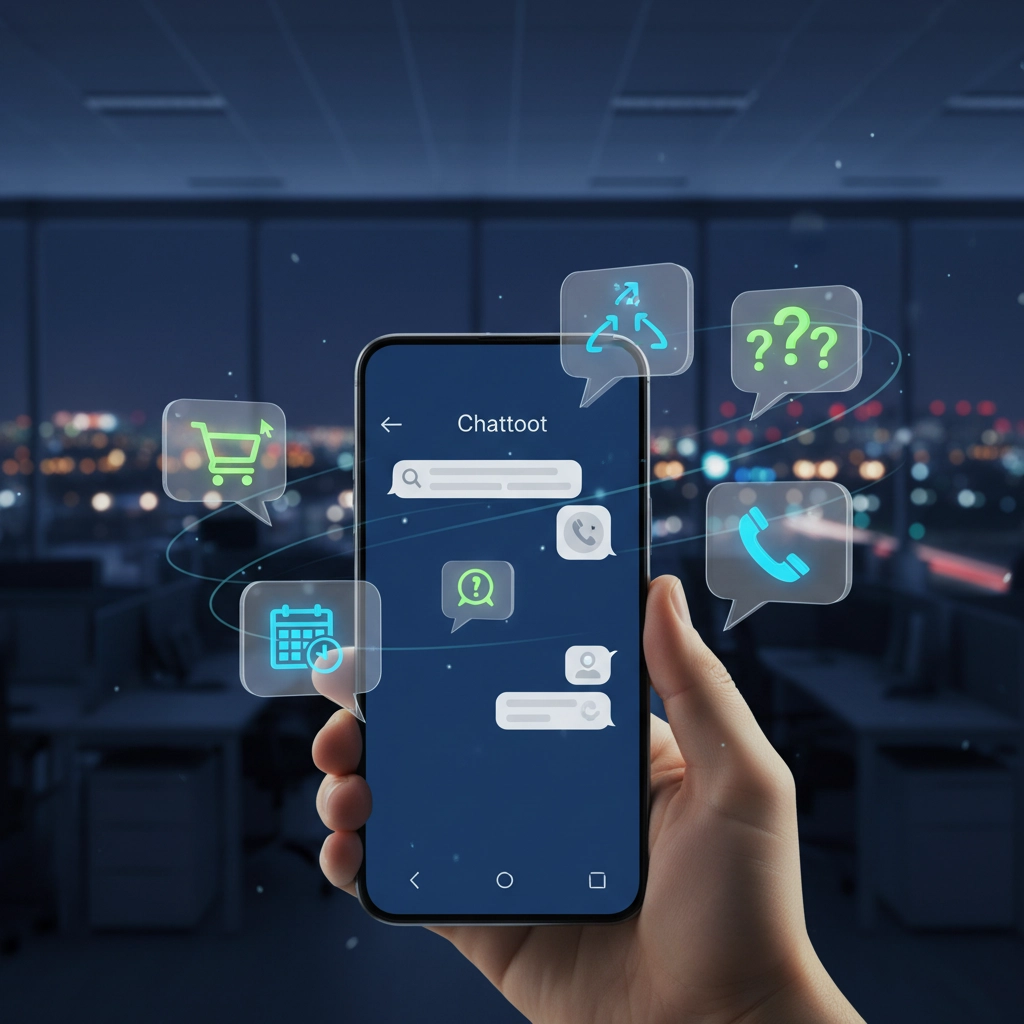
AI-powered chatbots can now carry on natural conversations and qualify leads with remarkable efficiency. They ask the right questions, identify specific needs, and automatically direct prospects to the most relevant resources.
Even more impressive, these virtual assistants can predict visitors’ needs by analyzing their browsing behavior and proactively suggest relevant content. They operate 24 hours a day, 7 days a week, ensuring that no potential lead is lost.
Intelligent Automated Nurturing
Nurturing sequences dynamically adapt to prospects’ behavior. If a lead opens your emails but doesn’t click, the AI automatically adjusts the tone and content of subsequent messages. If the lead downloads several resources on a specific topic, the sequence shifts toward more technical content or sales proposals.
This automatic personalization of nurturing campaigns increases open rates by 26% and click-through rates by 41% compared to traditional static campaigns.
Hyper-Personalization: Creating 1,000 Unique Experiences at Once
Hyper-personalization goes far beyond simply including a first name in an email. It involves creating fully customized experiences for each prospect, based on their behavioral data, preferences, and interaction history.
Real-Time Dynamic Content
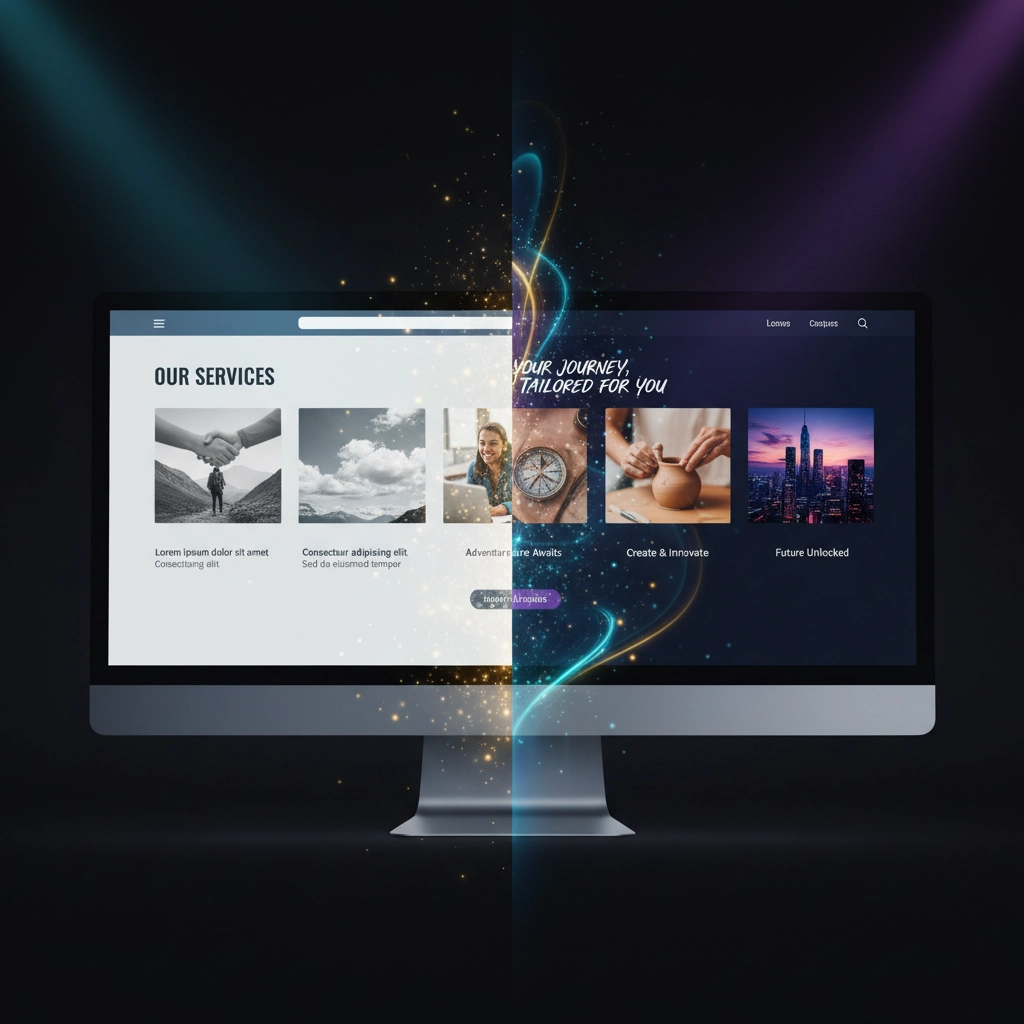
Your website becomes a chameleon that adapts to each visitor. AI automatically modifies titles, images, calls to action, and even page structure based on the visitor’s profile. A marketing director won’t see the same elements as a technical director, even on the same product page.
According to the latest Gartner studies, this dynamic personalization increases engagement by 73% and conversions by 67%. At Socials Analytica, we help our clients implement these advanced personalization strategies.
Ultra-Fine Behavioral Segmentation
AI makes it possible to create prospect segments based on complex behavioral criteria. Instead of segmenting by industry or company size, you can target “marketing directors who view content about automation in the morning and are interested in quantified ROI.”
This level of detail makes it possible to create highly targeted messages that perfectly address the specific concerns of each segment.
Content Formats That Will Be a Hit in 2025
Interactive Content: Maximum Engagement
Static content is becoming less effective compared to interactive formats. ROI calculators, diagnostic quizzes, solution configurators, and interactive demos generate three times as many leads as traditional content.
These formats not only help engage prospects but also collect qualified data on their specific needs. A social media ROI calculator will reveal the prospect’s objectives and budget constraints—valuable information for tailoring the sales approach.
Large-Scale Personalized Video
AI now makes it possible to automatically create personalized videos. Imagine a demo video that adapts to the prospect’s industry, mentions their name, and highlights the features most relevant to their specific use case.
This video personalization increases email open rates by 19% and click-through rates by 65%. It is one of the most promising innovations in our digital marketing strategy.
Immersive Experiences and Augmented Reality
Immersive technologies are transforming the way prospects discover your solutions. A virtual tour of your software, an augmented reality demonstration, or an interactive simulation creates a strong and memorable emotional connection.
These premium experiences position your brand as innovative and set your approach apart from the competition.
Challenges and Opportunities in Data Privacy
GDPR Compliance and Customer Trust
Hyper-personalization relies on the collection and analysis of behavioral data. It is essential that this approach comply with regulations such as the GDPR and maintain the trust of prospective customers.
High-performing companies turn this challenge into a competitive advantage by adopting a transparent and ethical approach to data collection. They clearly explain how data is used to improve the customer experience and offer granular control over communication preferences.
Third-Party Cookies and First-Party Alternatives
With the gradual phase-out of third-party cookies, inbound strategies must rely more heavily on first-party data. This means creating more value to encourage prospects to voluntarily share their information.
Premium content, free tools, and personalized experiences are becoming strategic ways to collect high-quality data while respecting user preferences.
Practical Applications to Transform Your Results
Smart Multi-Touch Assignment
AI is revolutionizing performance measurement by analyzing every touchpoint along the customer journey. It identifies which content, channels, and interactions actually contribute to conversions, enabling companies to optimize resource allocation.
This comprehensive view of the customer journey makes it possible to identify bottlenecks and optimize each stage of the conversion funnel.
Automatic Campaign Optimization
AI automatically adjusts your campaigns in real time: budgets, audiences, creatives, bids, and frequency. It continuously tests new approaches and instantly applies the most effective optimizations.
This ongoing optimization improves campaign ROI by an average of 45%, without any manual intervention.

Predicting Customer Needs
AI can predict when a lead is ready to move to the next stage of the buying journey. It identifies early signs of a need for an upgrade, renewal, or additional purchase.
This predictive capability makes it possible to anticipate business opportunities and proactively offer the right solutions at the optimal time.
Integration with Analytica Social Services
At Socials Analytica, we support our clients through this digital transformation with oursocial media optimization and SEO services.
Our approach combines technical expertise and strategic vision to implement high-performing inbound marketing solutions. We integrate AI and automation into a comprehensive business transformation strategy that optimizes all marketing and sales processes.

Measure and Optimize: The Metrics That Really Matter
Beyond Volume: Lead Quality
Traditional metrics, such as the number of leads generated, are becoming less relevant. The focus is shifting toward quality: qualification rates, lead velocity, average opportunity value, and customer conversion rates.
These qualitative metrics make it possible to optimize the entire funnel rather than focusing solely on the volume of leads.
Predictive Customer Lifetime Value
AI makes it possible to predict the lifetime value of prospects from their very first interactions. This strategic information guides marketing investment decisions and enables sales efforts to be tailored to each lead’s potential.
Takeaways: Your 2025 Roadmap
Inbound marketing in 2025 rests on three inseparable pillars: artificial intelligence for prediction and analysis, automation for large-scale execution, and hyper-personalization for maximum relevance.
Priority actions to be implemented:
- Investing in AI tools for lead scoring and behavioral analysis
- Automate nurturing sequences with adaptive logic
- Create interactive content that engages and qualifies prospects at the same time
- Customize the web experience in real time based on visitor profiles
- Focus on the quality rather than the quantity of leads generated
Success in inbound marketing no longer depends on your ability to create content, but on your ability to deliver the right message to the right person at the right time. AI, automation, and personalization are the tools that will make this level of precision possible on a large scale.
Companies that master these technologies by 2025 will gain a decisive edge over their competitors. Those that are slow to adapt risk seeing their leads migrate to more relevant and engaging experiences.