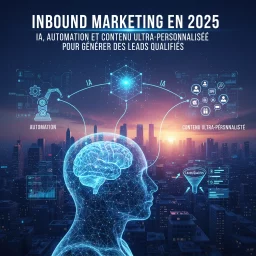
Inbound marketing is undergoing a quiet revolution. By 2025, 73% of B2B companies will have integrated social selling into their customer acquisition strategy, radically transforming the user experience. This convergence of inbound methodology and social selling is redefining the rules of customer relations, prioritizing authentic engagement over intrusive prospecting.
![image_1]()
 According to a 2025 HubSpot study, companies that combine inbound marketing and social selling generate 67% more leads than those using traditional approaches. This success can be attributed to an approach focused on creating value rather than on direct sales.
Digital marketing strategies are evolving toward a hybrid model in which educational content and social interaction intertwine to create a seamless and natural customer experience.
According to a 2025 HubSpot study, companies that combine inbound marketing and social selling generate 67% more leads than those using traditional approaches. This success can be attributed to an approach focused on creating value rather than on direct sales.
Digital marketing strategies are evolving toward a hybrid model in which educational content and social interaction intertwine to create a seamless and natural customer experience.
![image_2]()
![image_3]()
 This methodology generates leads that are three times more qualified than those generated by traditional approaches, with a 40% higher closing rate.
![image_4]()
![image_5]()

Inbound Marketing 2.0: When AI Meets People
Modern inbound marketing no longer resembles what it was in 2020. Today, artificial intelligence makes it possible to personalize the customer experience on an unprecedented scale. Companies use predictive algorithms to anticipate customer needs and tailor their content in real time.
According to a 2025 HubSpot study, companies that combine inbound marketing and social selling generate 67% more leads than those using traditional approaches. This success can be attributed to an approach focused on creating value rather than on direct sales.
Digital marketing strategies are evolving toward a hybrid model in which educational content and social interaction intertwine to create a seamless and natural customer experience.
Social Selling: A New Cornerstone of the Customer Experience
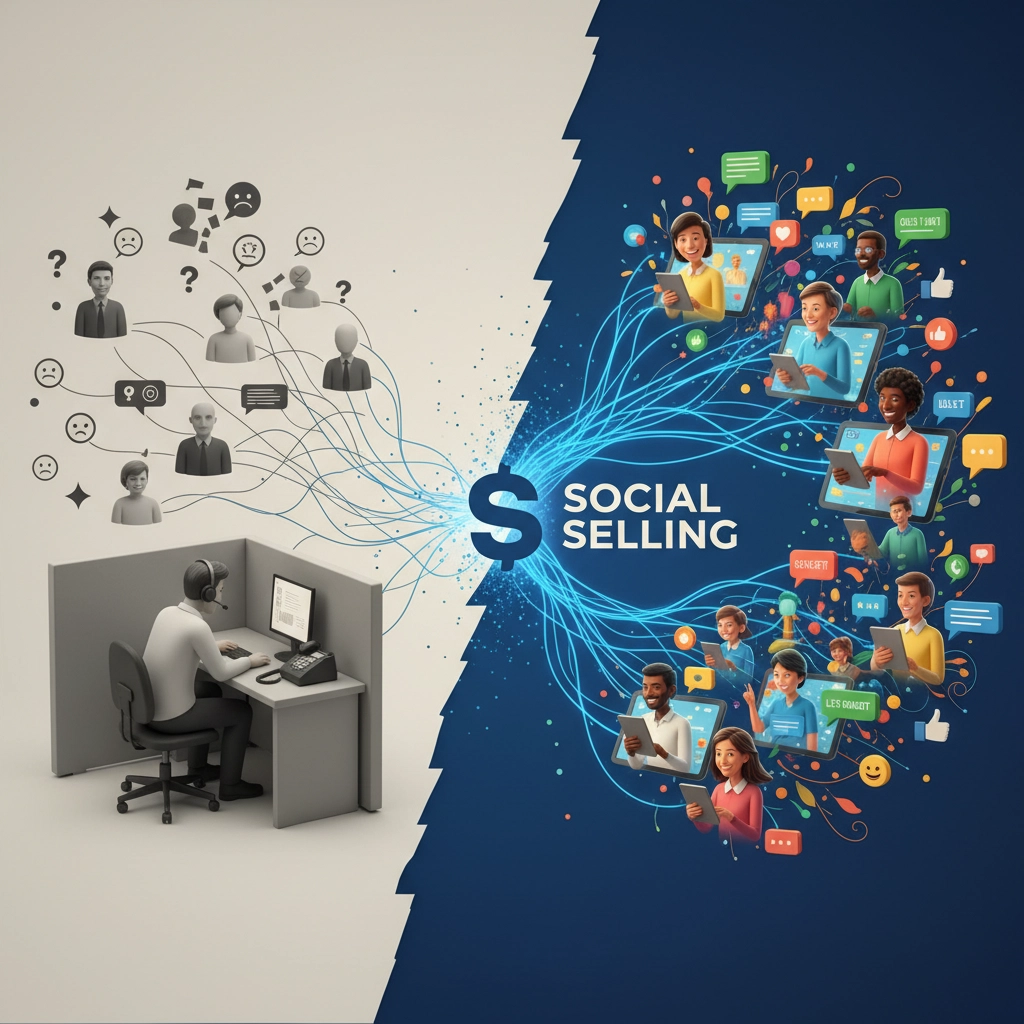
Social selling goes far beyond simply prospecting on LinkedIn. It is a sales philosophy that places listening and support at the heart of the customer relationship. Salespeople become advisors, and prospects become potential partners. This approach transforms the customer experience in several ways: Extreme personalization: Each interaction is tailored to the prospect’s specific context and needs, based on an analysis of their social activity and past interactions. Optimal timing: Sales teams step in at the exact moment a prospect expresses a need or a problem, maximizing the chances of conversion. A Relationship Based on Trust: Transparency and authenticity in social interactions create a climate of trust that fosters purchasing decisions. Social media management is therefore becoming a major strategic priority for companies seeking to optimize their conversion funnel.The 4 Pillars of Inbound-Social Convergence
1. Content Intelligence
AI analyzes social behavior to identify topics that resonate with your audience. Companies are now creating “predictive” content that anticipates questions before they are asked.2. Advanced Social Listening
Social listening is no longer limited to monitoring brand mentions. It analyzes sentiment, identifies potential influencers, and detects early purchase signals.
3. Relational Automation
Chatbots and virtual assistants handle initial interactions while maintaining a human touch. They qualify prospects and route conversations to the right people.4. Behavioral Analytics
Every social interaction generates valuable data on customer preferences and habits. These insights inform outbound and inbound marketing strategies to create a consistent omnichannel approach.Measurable Benefits: Key Figures for 2025
The results of this hybrid approach speak for themselves:- Conversion rate: +45% for leads generated through social selling compared to traditional methods
- Sales Cycle: Average 23% Reduction in Conversion Time
- Customer Satisfaction: Companies that use inbound social media have an NPS score that is 31 points higher
- ROI: 89% of marketers see a positive return on investment within the first 6 months
Case Study: The Customer Experience Reinvented
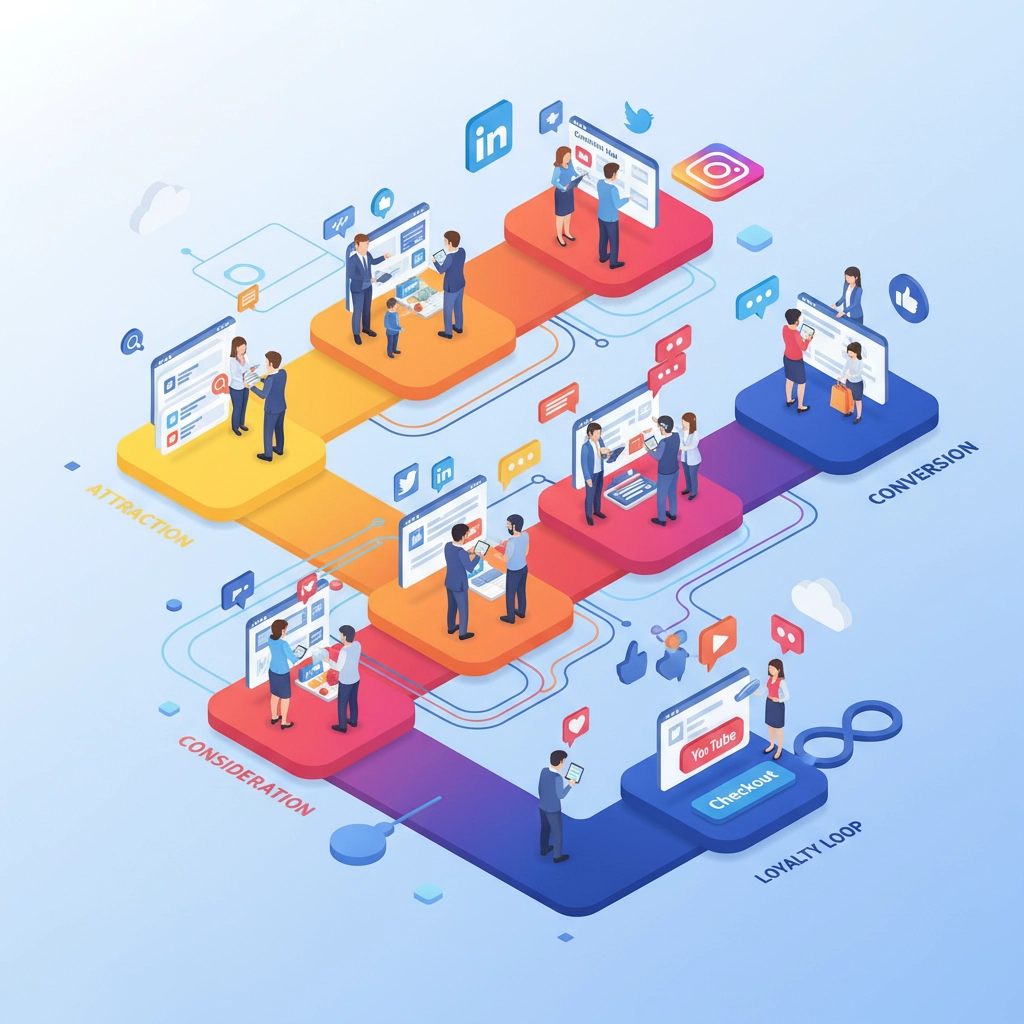
Let’s take the example of a SaaS company that uses this approach: Phase 1 – Attraction: Publication of educational content (guides, webinars, case studies) on LinkedIn and Twitter, tailored to the identified industry challenges. Phase 2 – Engagement: Directly interacting with comments and shares, and sparking discussions on topics within our area of expertise. Phase 3 – Qualification: Analyze interactions to identify hot leads, then send personalized resources via private message. Phase 4 – Conversion: Offer free demonstrations or consultations tailored to the needs expressed during social interactions.
This methodology generates leads that are three times more qualified than those generated by traditional approaches, with a 40% higher closing rate.
AI in the Service of Humanization
Paradoxically, artificial intelligence helps make customer relationships more human. AI tools analyze communication preferences, optimal times for interaction, and personal interests to personalize each touchpoint. AI and customer relationship management services enable companies to maintain a personalized approach on a large scale, combining technological efficiency with human warmth.Implementation: A Practical Roadmap
Step 1: Assessment of the Current Situation (Weeks 1–2)
- Analysis of Current Social Media Performance
- Identifying the Most Engaging Content
- Mapping the Existing Customer Journey
Step 2: Social Media Content Strategy (Weeks 3–4)
- Creating an editorial calendar aligned with customer concerns
- Defining Social Performance KPIs
- Team Training on Social Selling Techniques
Step 3: Tools and Automation (Weeks 5–6)
- Deployment of social listening tools
- Configuring Automation Workflows
- Implementation of Cross-Platform Tracking
Step 4: Test & Learn (Weeks 7–12)
- Pilot campaigns targeting specific segments
- Performance Analysis and Adjustments
- Data-Driven Continuous Optimization
The Importance of Social Media Marketing
Search engine optimization (SEO) now includes a social dimension. Google is increasingly incorporating social signals into its ranking algorithms. An effective inbound strategy must therefore simultaneously optimize organic visibility and social engagement. According to the latest Moz studies, companies that neglect this SEO-SMO convergence lose an average of 35% of their potential visibility.Measuring Impact: Essential KPIs
The effectiveness of this approach is measured using several key indicators: Engagement Metrics:- Interaction Rate per Post
- Qualitative growth in followers
- Time spent on shared content
- Social-to-lead ratio
- Customer Acquisition Cost via Social Media
- Customer Lifetime Value of Social Leads
- Segmented Net Promoter Score
- Response Time for Interactions
- Customer Journey Satisfaction
Challenges and Solutions
Challenge 1: Authenticity at Scale
Solution: In-depth training for sales teams on the guidelines for each social media platform, and the creation of customized communication guidelines.Challenge 2: Privacy & GDPR
Solution: Implement transparent data collection processes and explicit opt-in options for social tracking.Challenge 3: ROI Measurement
Solution: Multi-touch attribution modeling, cross-device tracking, and analysis of hybrid online/offline customer journeys.2025 Trends: What’s Coming
Several developments are already shaping 2025:- Voice Social Selling: The Rise of Audio Content (Clubhouse, Twitter Spaces) Is Creating New Opportunities for Engagement
- Micro-Influencer Partnerships: Collaborating with Niche Experts to Expand Organic Reach
- Interactive Content: Polls, quizzes, and participatory content that generate meaningful engagement
- Community Building: Creating proprietary ecosystems where prospects and customers interact directly with the brand
Summary: The Customer Experience Reinvented
Inbound marketing in the age of social selling is fundamentally transforming the relationship between brands and consumers. This hybrid approach creates a more natural, personalized, and effective customer experience. The Keys to Success:- Smart Technology Integration (AI + Automation)
- Training Teams on New Social Selling Methods
- Creation of high-value-added content
- Continuous Measurement and Data-Driven Optimization