



Mergers and acquisitions represent one of the most complex areas of the business world, where every detail can make the difference between resounding success and costly failure. At the heart of these transactions lies due diligence—the critical phase of in-depth auditing that determines the viability and true value of a deal. Today, artificial intelligence and data analytics are radically transforming this discipline, bringing unparalleled precision and efficiency.
![image_1]()

![image_2]()

![image_3]()
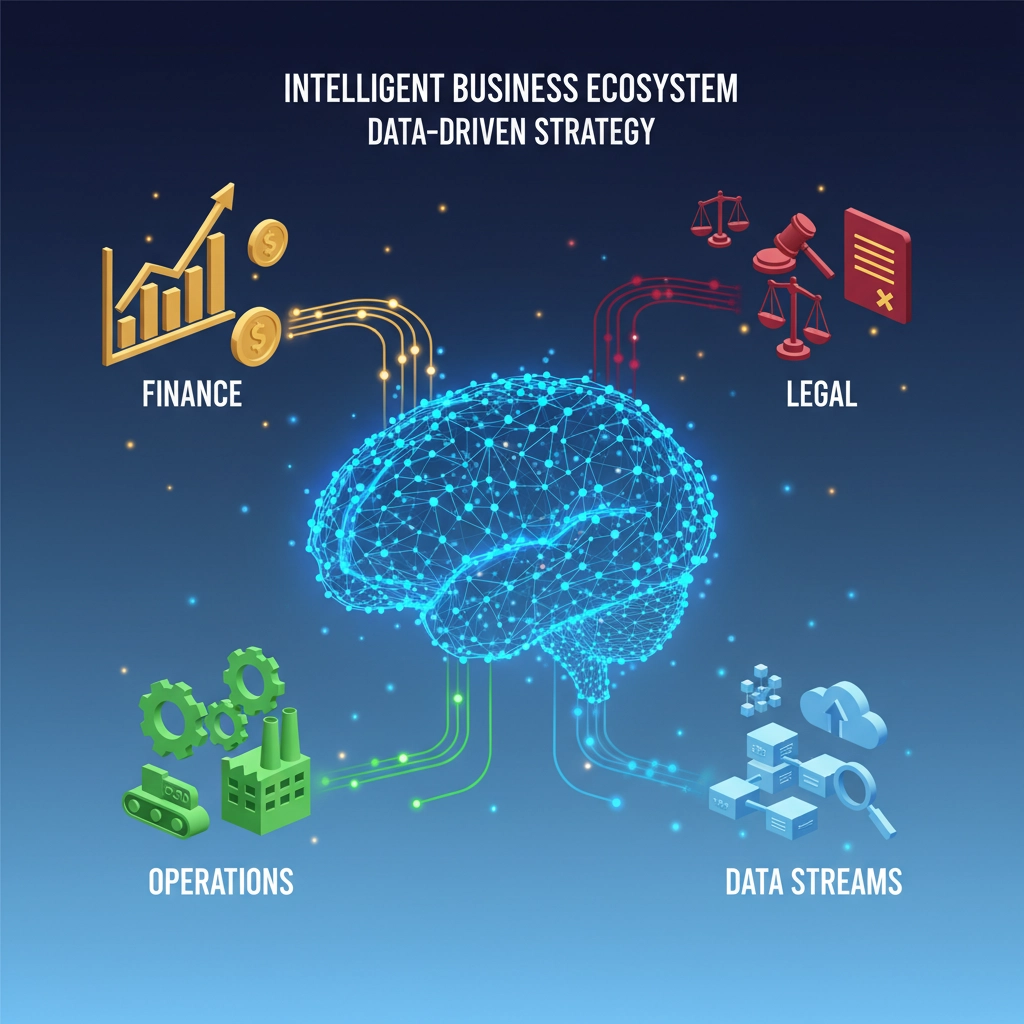
The Traditional Challenges of Due Diligence
Historically, due diligence in M&A transactions was like a race against the clock, with teams of experts having to manually review thousands of documents. This traditional approach had several major limitations:- Overwhelming volume of data: Modern companies generate terabytes of data that cannot be thoroughly analyzed manually
- Risks of human error: Fatigue and time pressure significantly increase the risk of overlooking crucial details
- Prohibitive costs: Multidisciplinary teams working for months on end represent a considerable investment
- Unavoidable delays: Sequential document review significantly slows down the decision-making process
AI for Literature Review Analysis
Artificial intelligence is revolutionizing document management—a cornerstone of any due diligence process. Natural language processing (NLP) algorithms can now:Automation of Classification
AI systems automatically analyze and classify documents based on whether they are legal, financial, or operational in nature. This capability makes it possible to instantly organize disorganized archives, facilitating access to relevant information.Extraction of Key Information
Machine learning models automatically identify and extract sensitive clauses, financial amounts, due dates, and contractual obligations. This feature transforms unstructured documents into actionable databases.Anomaly Detection
AI excels at identifying unusual patterns or contradictions between documents. It can detect inconsistencies in financial statements, conflicting contract clauses, or suspicious omissions. A concrete example: JPMorgan revolutionized its processes by developing COIN (Contract Intelligence), a system capable of processing, in just a few seconds, the equivalent of 360,000 hours of manual review per year. This transformation perfectly illustrates the disruptive potential of AI in this field.Data Analytics: Turning Data into Strategic Insights
Data analytics complements AI by adding a predictive and strategic dimension to due diligence. Advanced techniques make it possible, in particular, to:Predictive Financial Modeling
Algorithms analyze historical financial data to project the target company’s future performance. They incorporate external variables such as industry trends, economic conditions, and regulatory changes to refine their predictions.Sentiment and Reputation Analysis
Analyzing social media, customer reviews, and media coverage provides valuable insights into the public’s perception of the target company. This approach reveals potential reputational risks that are not apparent in official documents.Mapping Operational Risks
Operational data (supply chain, internal processes, IT systems) is analyzed to identify critical vulnerabilities and dependencies that could impact the value of the acquisition.
Practical Applications by Area of Expertise
Financial Due Diligence
AI excels at analyzing financial statements, automatically detecting:- Accounting Manipulation: Algorithms Identify Patterns of Artificially Inflated Revenue or Concealed Expenses
- Credit Quality: Predictive analysis assesses the likelihood of collecting accounts receivable
- Tax Optimization: AI Uncovering Complex Tax Optimization Structures and Their Legal Implications
Legal Due Diligence
Intelligent systems are transforming contract review by automating:- An analysis of the change-of-control provisions that could be triggered by the acquisition
- Identifying potential disputes based on internal correspondence and communications with legal counsel
- Mapping Regulatory Requirements Specific to the Industry
Operational Due Diligence
Data analytics reveals operational realities through:- Analyzing Supply Chain Performance and Identifying Bottlenecks
- Assessing the effectiveness of internal processes and opportunities for improvement
- Measuring Actual Customer Satisfaction Beyond Official Metrics
Practical Tips for Implementation
Selection of Technology Platforms
Choose solutions that integrate with your existing tools. Platforms such as Intralinks DealCentre AI or Drooms offer native AI capabilities specifically designed for M&A.Team Building
Invest in training your teams so they understand the capabilities and limitations of AI. This understanding is essential for correctly interpreting results and making informed decisions.A Gradual Approach
Start by automating the most repetitive tasks (document classification, data extraction) before rolling out more sophisticated predictive analytics.Data Governance
Establish strict security and confidentiality protocols, which are particularly crucial in M&A transactions where discretion is paramount.
Ethical Issues and Technological Limitations
Algorithmic Transparency
Critical decisions must remain explainable and auditable. Algorithmic “black boxes” can create risks of regulatory noncompliance.Algorithmic Biases
AI systems can perpetuate or amplify biases present in their training data. Special care is needed to ensure the fairness of the analyses.Human-Machine Complementarity
AI does not replace human expertise; rather, it enhances it. Intuition, contextual judgment, and strategic creativity remain irreplaceable human strengths.Impact on the M&A Ecosystem
This technological revolution is redefining industry standards. Audit and strategy consulting firms that fail to adopt these technologies risk losing their competitive edge. At the same time, companies can now pursue more frequent and better-targeted acquisitions thanks to accelerated due diligence processes. The growing accessibility of these technologies is also making M&A transactions more widely available to medium-sized companies, which can now benefit from sophisticated analyses that were previously reserved for large corporations.Future Developments and Emerging Trends
The integration ofconversational AI promises to further simplify access to complex information. Analysts will soon be able to query their data using natural language and receive instant, context-aware responses. Blockchain technology is beginning to be explored as a means of creating tamper-proof audit trails, thereby enhancing traceability and trust in due diligence processes. Edge computing will enable sensitive data to be processed locally, reducing the security risks associated with transferring data to the cloud.Key points to remember
Artificial intelligence and data analytics are fundamentally transforming due diligence by bringing speed, accuracy, and comprehensiveness. This technological revolution makes it possible to:- Drastically reduce turnaround times and costs while improving the quality of analyses
- Identify risks and opportunities that traditional methods cannot detect
- Making M&A transactions more accessible to a wider range of companies
- Setting new standards of excellence in the industry
