The world of organic search is undergoing a major transformation in 2025. Between the rise of artificial intelligence, changing search behaviors, and new search engine requirements, businesses must adapt their SEO strategies to maintain their visibility. This year marks a turning point where quality, expertise, and user experience take precedence over traditional optimization techniques.
For French small and medium-sized businesses, understanding and anticipating these changes is becoming crucial to maintaining their visibility in the face of competition. This article details the must-know SEO trends for 2025, along with practical tips you can apply right away.
![image_1]()
 Features of voice searches:
![image_2]()
 Check out our case studies to see how we apply these principles in our client projects.
![image_3]()
![image_4]()

Artificial Intelligence at the Heart of Algorithms
The widespread integration of AI into Google’s algorithms is revolutionizing the way search engines understand and rank content. Machine learning systems now analyze search intent, context, and content quality with unprecedented accuracy. Concrete impact on small and medium-sized enterprises:- Search queries are becoming more complex and conversational
- Algorithms prioritize content that precisely answers users’ questions
- Semantics and lexical field take precedence over keyword density
Voice Search Redefines Search Queries
With 55% of adults using voice search daily, this trend is radically transforming SEO strategies. Voice search queries are longer, more natural, and often phrased as complete questions.
Features of voice searches:
- Conversational queries: “Where can I find a digital marketing consultant near Tunis?”
- Direct questions: “How can I improve my website’s search engine ranking?”
- Local searches: “Best SEO agency open now”
User Experience (UX) Is Becoming a Priority
Core Web Vitals are no longer secondary metrics but critical ranking factors. Google now severely penalizes sites that provide a poor user experience. The three pillars of Core Web Vitals:- Largest Contentful Paint (LCP): Time to load the main content (<: 2.5 seconds)
- First Input Delay (FID): Page responsiveness (< 100 milliseconds)
- Cumulative Layout Shift (CLS): Visual Stability (< 0.1)
- Compress and optimize your images (WebP format recommended)
- Minify non-critical JavaScript and CSS
- Use a content delivery network (CDN)
- Implement lazy loading for images
Strengthening E-E-A-T
E-E-A-T (Expertise, Experience, Authority, Trustworthiness) is becoming the gold standard for evaluating content quality. Google prioritizes content created by recognized experts in their field. How to Demonstrate Your E-E-A-T: Expertise: Sign your articles with the author’s qualifications, include detailed biographies, and list your certifications and training. Experience: Share customer case studies, testimonials, and concrete feedback from your projects. Authority: Get mentions and backlinks from well-known sites in your industry, participate in conferences, and publish in specialized media. Reliability: Clearly display your legal notices, terms and conditions, and privacy policy. Be sure to use HTTPS.
Check out our case studies to see how we apply these principles in our client projects.
Multimedia Content Takes Center Stage
Video content now accounts for 80% of internet traffic. Google prioritizes pages that incorporate various content formats to enhance the user experience. Types of content to prioritize:- Explanatory Videos: Tutorials, Product Demos
- Infographics: Statistical Data, Complex Processes
- Podcasts: Expert interviews, industry discussions
- Optimized images: Screenshots, diagrams, charts
Local SEO: A Major Challenge for Small and Medium-Sized Businesses
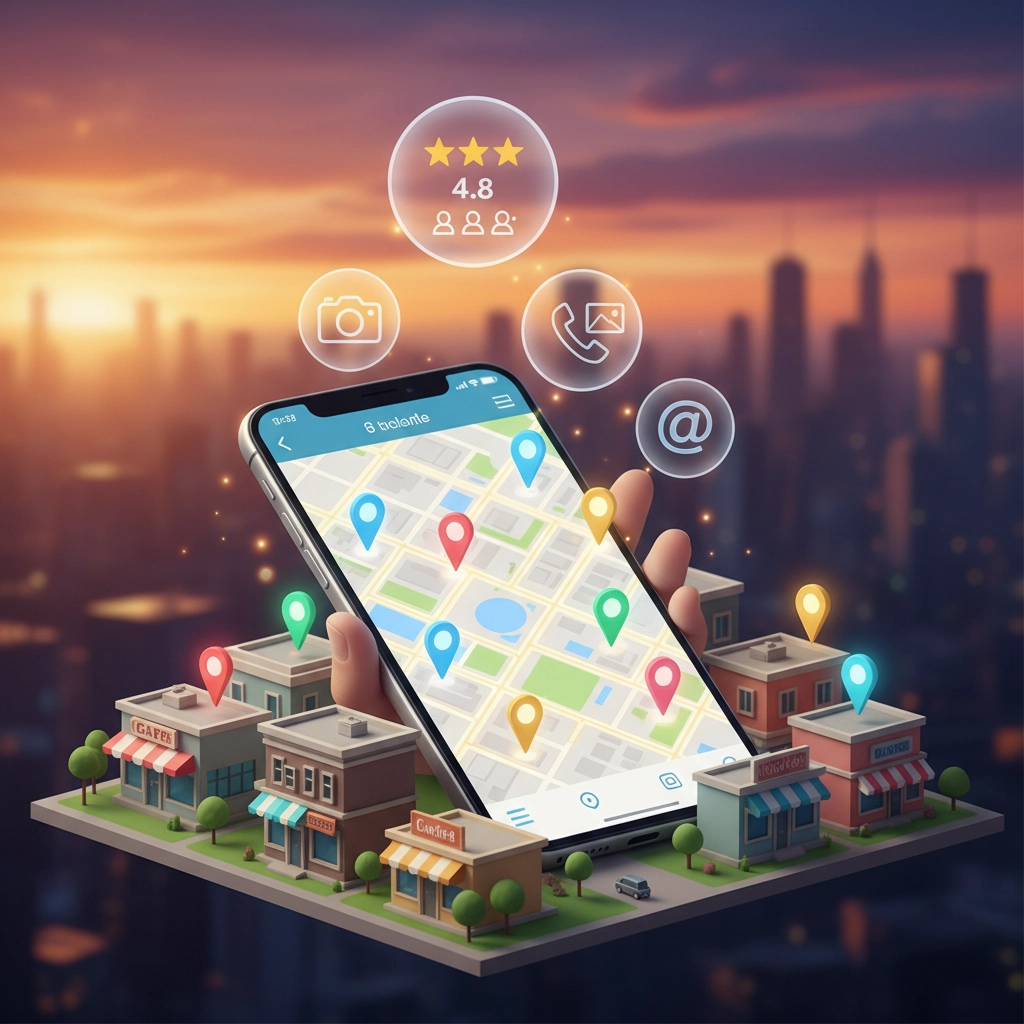
88% of local mobile searches result in an in-store visit or a phone call within 24 hours. Local SEO is becoming essential for businesses with a physical location. Essential local optimizations: Google Business Profile: Fill out 100% of the information, add photos regularly, collect customer reviews, and respond to comments. Local Listings: Sign up with relevant directories (Yellow Pages, Yelp, Facebook), and ensure your NAP (Name, Address, Phone) information is consistent. Geolocated content: Create pages specific to each geographic area, naturally incorporate the names of cities and neighborhoods, and write articles about local news in your area.
Advanced Technical SEO
The technical aspects of SEO are becoming increasingly complex and important. Search engines require a flawless website architecture to index your content effectively. Priority checkpoints: Data Structure: Implement Schema.org markup to help Google understand your content. Rich snippets increase the click-through rate by an average of 30%. Optimizing Your Crawl Budget: Effectively manage your robots.txt file, optimize your XML sitemap, and remove duplicate or low-value pages. Silo Architecture: Organize your content into coherent themes, create relevant internal links, and develop thematic clusters around your main keywords. Security and Performance: HTTPS required, up-to-date SSL certificates, optimized server response time (< 200 ms), 404 error handling.Content Personalization
Google is constantly refining its understanding of search intent to deliver results tailored to the user’s profile, search history, and location. Personalization Strategies: Audience Segmentation: Create specific content for each customer persona, tailor your language to your audience’s level of expertise, and develop content journeys based on the stages of the conversion funnel. Seasonal Optimization: Anticipate search trends in your industry, create event-based content, and tailor your messages to key periods in your business. Our expertise in digital marketing strategy includes behavioral analysis to tailor your SEO approach.Emerging Technologies
Technological advancements directly influence SEO practices. Forward-thinking companies are already preparing to optimize for emerging technologies. Visual Search: Optimize your images with detailed descriptions, use modern image formats (WebP, AVIF), and implement Schema markup for visual products. Augmented Reality (AR): Create AR-compatible content for relevant industries (home decor, fashion, automotive), and optimize it for 3D and immersive search queries.
Artificial Intelligence and Content Creation
The use of AI tools for content creation is becoming commonplace, but Google favors “AI-assisted” content over “AI-generated” content. Human input remains essential. Best Practices for AI:- Use AI for research and ideation
- Consistently enhance the generated content with your expertise
- Include concrete examples and personal experiences
- Verify the accuracy of the information and update it
SEO Action Plan for 2025
Immediate technical audit:- Analyze Your Core Web Vitals with PageSpeed Insights
- Check your website’s mobile compatibility
- Monitor the indexing of your important pages
- Evaluate the structure of your schema data
- Rewrite your titles and meta descriptions to meet the new requirements
- Create FAQ content for voice search
- Develop Your Multimedia Content Strategy
- Strengthen Your E-E-A-T Signals
- Fully Optimize Your Google Business Profile
- Expand your presence in local directories
- Create relevant location-based content