
The printing sector is undergoing a quiet but spectacular revolution. Driven by technological innovations, environmental concerns, and changing consumer habits, the print industry is completely reinventing itself by 2025. Gone are the days of the dusty print shops of yesteryear: make way for a hyper-connected, eco-friendly, and ultra-personalized industry that is turning the tables on conventional norms.
This transformation isn’t limited to large industrial groups. It also affects small and medium-sized businesses, creative agencies, and even individuals who are rediscovering the power of print through completely reimagined approaches. Here are the five major trends that are redefining the printing ecosystem today.
![image_1]()
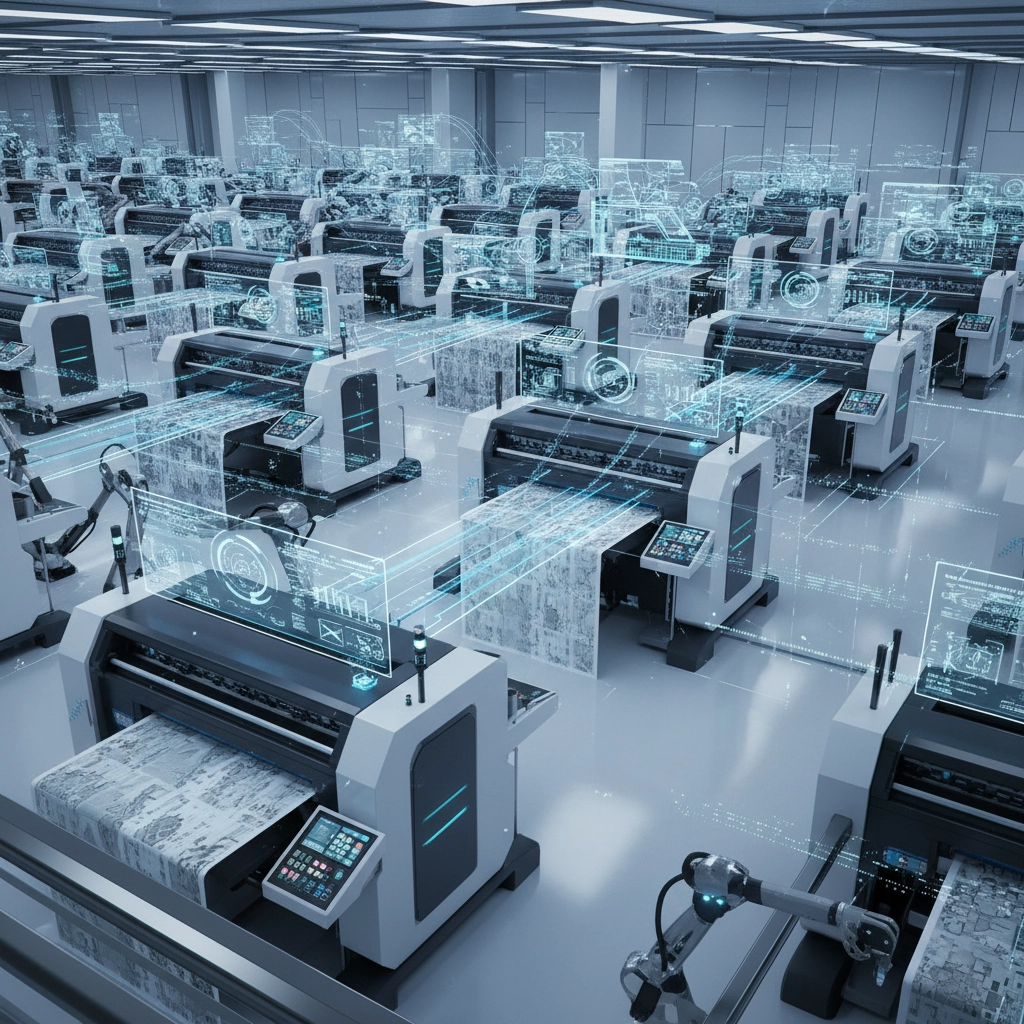 In practical terms, these systems are revolutionizing three crucial aspects:
Predictive Maintenance: IoT sensors analyze the condition of machines in real time and anticipate breakdowns before they occur. The result? A 40% reduction in unplanned downtime, according to the latest industry studies.
Automatic Quality Optimization: AI automatically adjusts ink density, pressure, and speed based on the type of media and the content to be printed. No more repeated manual adjustments are needed to achieve perfect results.
Multichannel synchronization: Automated systems finally enable consistent color management between offset and digital printing within a single facility. This is a technical feat that was unthinkable just five years ago.
This automation is accompanied by simplified user interfaces that allow even non-experts to manage complex production processes. This democratization opens up new markets and significantly reduces operating costs.
In practical terms, these systems are revolutionizing three crucial aspects:
Predictive Maintenance: IoT sensors analyze the condition of machines in real time and anticipate breakdowns before they occur. The result? A 40% reduction in unplanned downtime, according to the latest industry studies.
Automatic Quality Optimization: AI automatically adjusts ink density, pressure, and speed based on the type of media and the content to be printed. No more repeated manual adjustments are needed to achieve perfect results.
Multichannel synchronization: Automated systems finally enable consistent color management between offset and digital printing within a single facility. This is a technical feat that was unthinkable just five years ago.
This automation is accompanied by simplified user interfaces that allow even non-experts to manage complex production processes. This democratization opens up new markets and significantly reduces operating costs.
![image_2]()
 Decentralized cloud printing: Companies can now send their files to any printer on their global network. This decentralization optimizes logistics costs and reduces turnaround times.
Real-time on-demand production: No need to stock thousands of units. Brands produce exactly what they need, when they need it. This approach reduces waste by an average of 60%.
Mass customization: Thanks to variable data, each print piece can be unique while keeping costs under control. Imagine advertising campaigns where each visual is tailored to the recipient’s profile!
This trend is having a particularly profound impact on the digital communications sector by creating unprecedented bridges between the online and offline worlds.
Decentralized cloud printing: Companies can now send their files to any printer on their global network. This decentralization optimizes logistics costs and reduces turnaround times.
Real-time on-demand production: No need to stock thousands of units. Brands produce exactly what they need, when they need it. This approach reduces waste by an average of 60%.
Mass customization: Thanks to variable data, each print piece can be unique while keeping costs under control. Imagine advertising campaigns where each visual is tailored to the recipient’s profile!
This trend is having a particularly profound impact on the digital communications sector by creating unprecedented bridges between the online and offline worlds.
![image_3]()
 Automated Translation of Visuals: AI now makes it possible to instantly translate text directly within visual designs, facilitating the international rollout of personalized print campaigns.
Social Media-Connected Printing: Content created and shared on social media platforms can be automatically adapted for print, creating seamless continuity between online and offline experiences.
New Printing Technologies: 3D printing is making its way into modern offices, opening up revolutionary possibilities for the production of prototypes, promotional items, and custom decorative elements.
This convergence is radically transforming social media management by introducing a physical dimension that was previously absent.
Automated Translation of Visuals: AI now makes it possible to instantly translate text directly within visual designs, facilitating the international rollout of personalized print campaigns.
Social Media-Connected Printing: Content created and shared on social media platforms can be automatically adapted for print, creating seamless continuity between online and offline experiences.
New Printing Technologies: 3D printing is making its way into modern offices, opening up revolutionary possibilities for the production of prototypes, promotional items, and custom decorative elements.
This convergence is radically transforming social media management by introducing a physical dimension that was previously absent.
1. Intelligent Automation: When AI Revolutionizes Manufacturing
Automation is no longer an option; it has become an absolute necessity for remaining competitive. The latest generations of equipment incorporate artificial intelligence systems capable of self-learning and automatically adjusting print settings.
In practical terms, these systems are revolutionizing three crucial aspects:
Predictive Maintenance: IoT sensors analyze the condition of machines in real time and anticipate breakdowns before they occur. The result? A 40% reduction in unplanned downtime, according to the latest industry studies.
Automatic Quality Optimization: AI automatically adjusts ink density, pressure, and speed based on the type of media and the content to be printed. No more repeated manual adjustments are needed to achieve perfect results.
Multichannel synchronization: Automated systems finally enable consistent color management between offset and digital printing within a single facility. This is a technical feat that was unthinkable just five years ago.
This automation is accompanied by simplified user interfaces that allow even non-experts to manage complex production processes. This democratization opens up new markets and significantly reduces operating costs.
2. The Green Revolution: Eco-Friendly Inks and Sustainable Materials
Environmental responsibility is no longer just a marketing pitch; it has become a key factor in consumers’ purchasing decisions. The numbers speak for themselves: HelloPrint has seen a 15% increase in orders for eco-friendly personalized products between late 2023 and late 2024. This trend has led to several major innovations: Next-generation plant-based inks: Developed from soybean, flaxseed, or even algae oils, these inks now offer color quality equivalent to that of traditional inks while being 100% biodegradable. The Circular Economy in Consumables: Manufacturers are increasingly incorporating recycled plastics into their products. Some manufacturers even offer buyback and refurbishment programs for their used equipment. Innovative materials: Paper made from agricultural waste, high-quality recycled cardboard, textile materials made from reclaimed fibers… Suppliers are getting increasingly creative in offering sustainable alternatives without compromising on quality. This transformation is accompanied by a notable aesthetic shift: designs emphasize natural textures, earthy color palettes, and matte finishes that highlight these new eco-friendly materials.3. The Boom in Short-Run Printing and Print-on-Demand
The traditional business model based on high volumes is crumbling in the face of growing demand for customization and flexibility. Digital printing is finally making small-batch production economically viable, revolutionizing marketing approaches.
Decentralized cloud printing: Companies can now send their files to any printer on their global network. This decentralization optimizes logistics costs and reduces turnaround times.
Real-time on-demand production: No need to stock thousands of units. Brands produce exactly what they need, when they need it. This approach reduces waste by an average of 60%.
Mass customization: Thanks to variable data, each print piece can be unique while keeping costs under control. Imagine advertising campaigns where each visual is tailored to the recipient’s profile!
This trend is having a particularly profound impact on the digital communications sector by creating unprecedented bridges between the online and offline worlds.
4. Customization Taken to the Extreme
The era of standardization is coming to an end. Consumers are demanding unique experiences, and the printing industry is responding with technologies that enable a level of personalization that was previously unthinkable. Advanced variable data printing: Beyond just a name or address, new technologies make it possible to customize images, colors, layout, and even the format based on each recipient’s individual preferences. Integrating AI into Design: Algorithms analyze users’ visual preferences to automatically generate personalized variations of a single base design. This approach increases creative possibilities 100-fold. Mobile and On-the-Go Printing: Smartphones and tablets are becoming printing stations thanks to Wi-Fi Direct and Bluetooth. This accessibility makes personalized production more widely available and brings the end consumer closer to the creative process. This customization even extends to formats and finishes, enabling truly bespoke products that strengthen the emotional connection with the brand.5. The Integration of Social Commerce and New Channels
The line between digital and print is completely blurring. Social commerce now directly influences print strategies, creating unprecedented synergies between the two worlds.
Automated Translation of Visuals: AI now makes it possible to instantly translate text directly within visual designs, facilitating the international rollout of personalized print campaigns.
Social Media-Connected Printing: Content created and shared on social media platforms can be automatically adapted for print, creating seamless continuity between online and offline experiences.
New Printing Technologies: 3D printing is making its way into modern offices, opening up revolutionary possibilities for the production of prototypes, promotional items, and custom decorative elements.
This convergence is radically transforming social media management by introducing a physical dimension that was previously absent.