
Cold emailing is facing a major crisis of confidence in 2025. Between overflowing inboxes, increasingly sophisticated spam filters, and consumers who are fed up with intrusive sales tactics, this lead-generation technique seems to have lost its luster. Yet, far from being obsolete, cold emailing can still be a powerful tool… provided it is completely humanized.
What’s the difference between an email that ends up in the spam folder and one that elicits an enthusiastic response? Authenticity. This transformation isn’t magic—it’s a methodical approach that puts people at the center of every interaction. Let’s explore together how to revolutionize your approach to cold emailing.
![image_1]()

![image_2]()
![image_3]()

The Myth of Volume: Why Less Is More
The most common mistake in cold emailing? Believing that success is measured by the number of emails sent. This “spray and pray” approach is a thing of the past. By 2025, spam detection algorithms will be so advanced that they’ll instantly recognize mass email campaigns. The new winning formula prioritizes quality over quantity. A single personalized email that demonstrates a genuine understanding of the recipient’s challenges will yield better results than 100 generic emails. This approach requires more time upfront, but the return on investment is exponentially higher. The data confirms it: highly personalized campaigns have open rates 50% higher than traditional approaches. More importantly, they build a positive sender reputation that benefits all your future communications.
The Art of Pre-Contact Research: Know Before You Reach Out
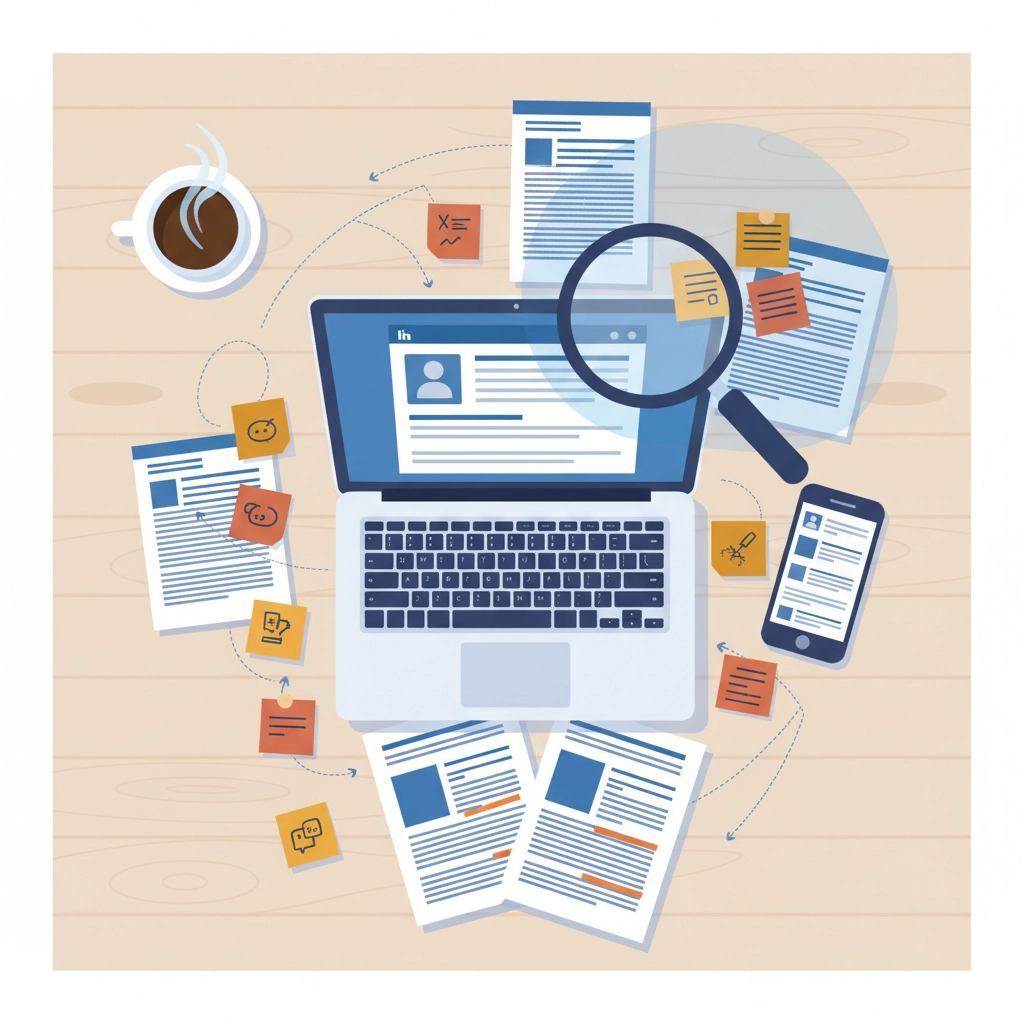
Before you write a single line, invest time in research. This often-overlooked step is the foundation of any authentic approach. Check out your prospect’s LinkedIn profile, browse their website, and read their latest articles or social media posts. Look for buying signals: a recent promotion, a change in leadership, the launch of a new project, or a publicly discussed issue. These elements serve as your entry points for building a natural connection. This research also helps you identify the right person to contact and the right timing. Reaching out to a marketing director who is in the midst of reorganizing their team with an HR solution will be far more relevant than a generic email about your digital marketing consulting services.Authentic Personalization: Beyond the First Name
True personalization goes far beyond simply inserting the recipient’s first name. It involves showing that you truly understand the recipient’s world. Mention a specific project at their company, a recent development in their industry, or a challenge they recently brought up. For example, instead of writing “Hello [First Name], I hope you’re doing well,” try “Hello Marie, I read your analysis on the impact of AI in retail with great interest. Your point about the importance of customer emotion really resonates with our approach…” This technique takes more time, but it immediately changes how your email is perceived. Your prospect realizes that this isn’t a mass campaign, but a thoughtful and targeted approach.The Object That Opens Doors: Sparking Curiosity Without Manipulation
Your subject line determines whether your email will be opened or deleted. By 2025, recipients have grown immune to subject lines that are overly salesy or manipulative. Authenticity trumps creativity at all costs. Prioritize clarity and relevance. A subject line like “Feedback—Optimizing B2B Marketing ROI” will be more effective than a vague “An opportunity that might interest you.” The first clearly indicates the value it offers, while the second comes across as manipulative. Also try using open-ended questions, which are particularly effective: “How did you increase your conversions by 40%?” or “Does yourworkflow automation strategy include this approach?” These questions spark curiosity while showcasing your expertise.
The “Conversational” Format: Forget the Sales Template
Traditional sales emails often follow a rigid format: an introduction to the company, a list of services, and an aggressive call to action. This structure screams “sales email” and immediately triggers defensive reactions. Instead, adopt a conversational tone, as if you were writing to a colleague. Start with a shared personal or professional context, share a relevant observation about their industry, and then naturally introduce your value proposition. Avoid elaborate designs, overly elaborate signatures, or large attachments. An email in plain text format comes across as more authentic and avoids spam filters. The goal is to make it look like a personal email, not a marketing newsletter.The Immediate Value Proposition: Give Before You Receive
The secret to a successful cold email? Provide value right from the first contact. Instead of asking for a meeting to “present your services,” offer something useful: a free analysis, an industry benchmark, or relevant insights. This approach completely reverses the dynamic. You go from being a “pushy salesperson” to an “expert who provides solutions.” Your prospect immediately understands the value of the conversation. Specifically, offer a free audit of their SEO strategy, share a case study similar to their industry, or provide a quick assessment of their competitive positioning.